A smoke detector’s red light can be alarming, but how do you know when it’s time to act? While it may seem like a cause for concern, a flashing red light doesn’t always mean an emergency.
It could simply indicate a low battery or a slight malfunction, but there are times when it’s signaling something more serious.
With the right knowledge, you can easily determine the cause and decide whether action is needed.
In this blog, I’ll talk about the common reasons for a smoke detector’s red light and explain when it’s important to worry.
Whether it’s a quick fix or an urgent situation, understanding these signals can help keep you safe without unnecessary stress.
Let’s see what the red light means and when to take action.
How Does a Smoke Detector Work?
A smoke detector works by using sensors to detect the presence of smoke in the air. There are two main types: ionization and photoelectric.
Ionization detectors have a small amount of radioactive materialthat creates an electric current. When smoke enters the detector, it disrupts the current, triggering the alarm.
Photoelectric detectors, on the other hand, use a light beam and a sensor. When smoke particles scatter the light, the sensor detects it and activates the alarm.
The red light on the detector may indicate a problem, such as smoke, a low battery, or the need for maintenance.
Smoke detectors are designed to alert occupants in case of a fire, ensuring safety by giving them time to respond. Regular maintenance and testing are essential to ensure they function correctly when needed.
Common Reasons for Smoke Detector Red Light Flashing
Below are the main reasons a smoke detector’s red light flashes, helping to understand when attention is needed.
1. Low Battery of the Smoke Detector
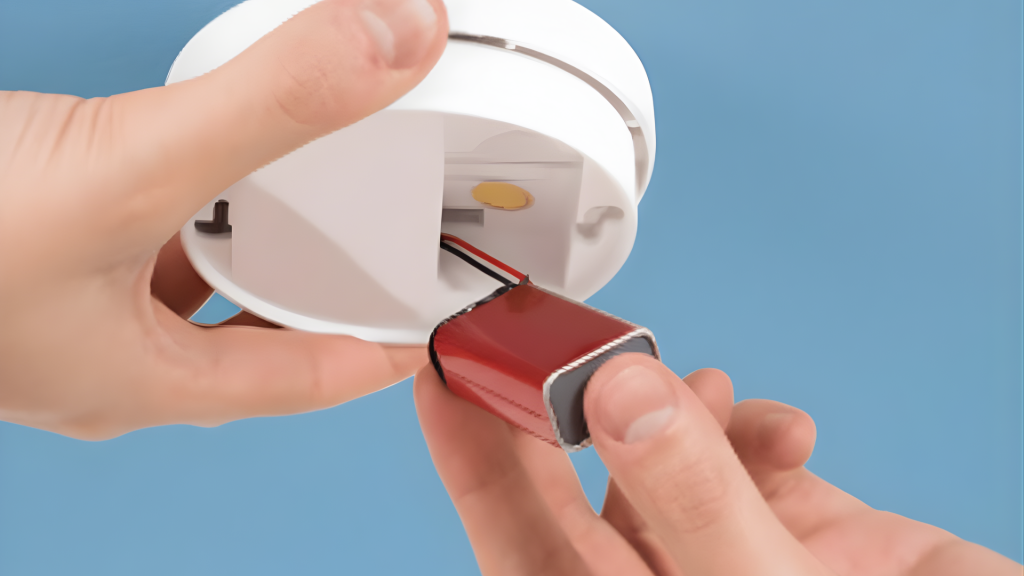
A common reason for a smoke detector’s red light flashing is a low battery. When the battery starts running low, the detector activates the red light as a reminder to replace it.
This is a simple issue that can be quickly fixed by replacing the old battery with a fresh one. After changing the battery, the flashing red light should stop, and the smoke detector will function normally.
It’s a good idea to check the battery regularly, even if the light isn’t flashing, to avoid potential issues.
2. Dust or Debris in the Smoke Detector
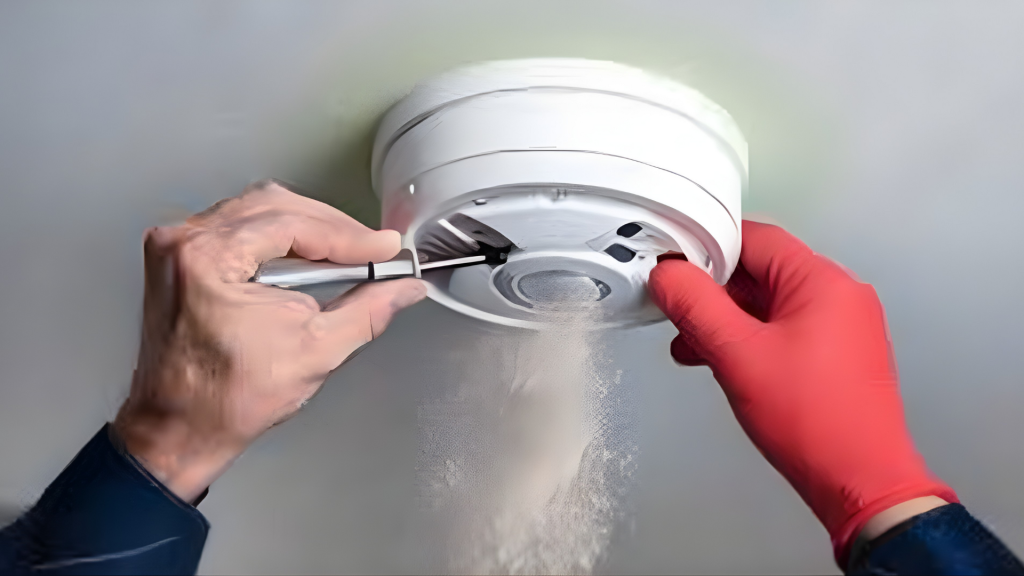
Dust and debris buildup inside the smoke detector is another common cause of the flashing red light.
When particles accumulate around the detector’s sensors, it can disrupt their ability to detect smoke accurately. This can lead to false alarms or the red light flashing to signal an issue.
Cleaning the smoke detector is essential to ensure proper function.
Regularly vacuuming the unit or using a soft brush can help remove dust and debris without damaging the sensor.
3. Smoke or Fire in the Surroundings
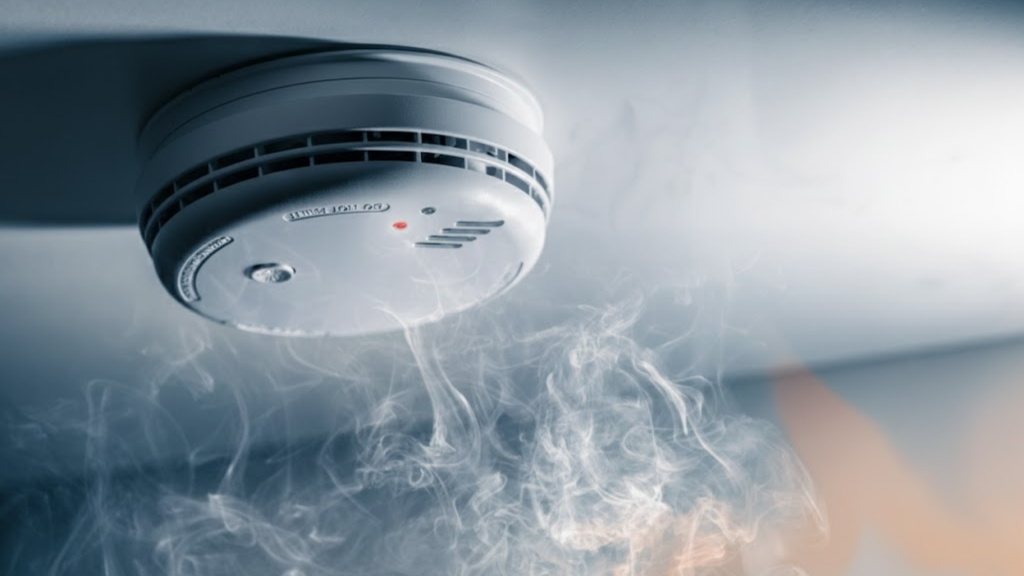
A flashing red light on a smoke detector can indicate the presence of smoke or fire in the area.
The detector uses sensors to detect airborne particles from smoke or heat from a fire, triggering the red light and often an alarm.
If the red light is flashing and you smell smoke or see signs of a fire, evacuate the area immediately and call emergency services.
4. Expired Unit of Smoke Detector
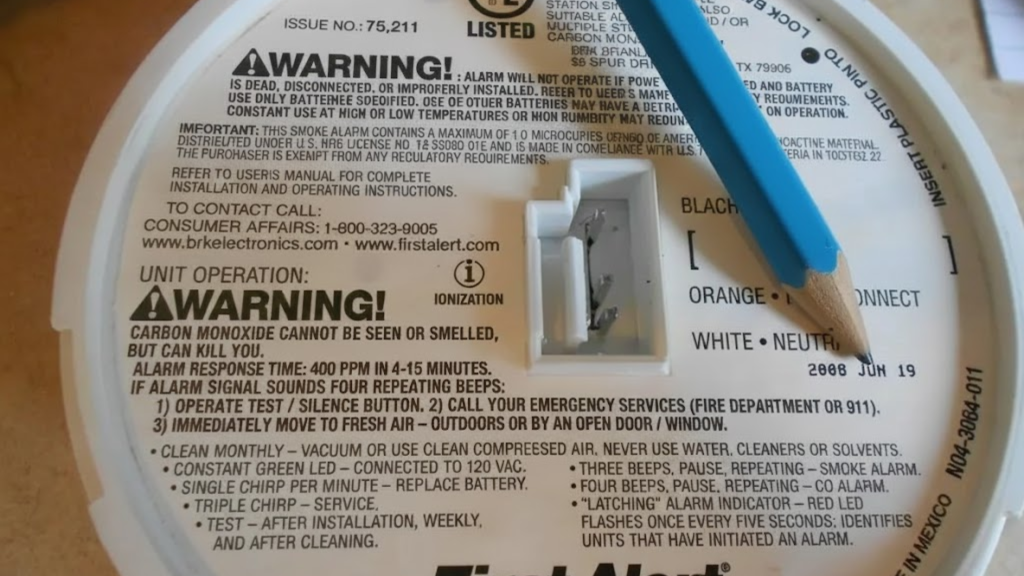
A smoke detector’s red light may flash if the unit has expired. Smoke detectors generally have a lifespan of about 10 years, after which they may no longer be reliable in detecting smoke.
The flashing red light serves as a reminder that it’s time to replace the detector. If your unit is older than 10 years, it’s crucial to replace it promptly to ensure the safety of your home.
Even if the detector appears to be functioning correctly, the red light may be an indication that it can no longer perform effectively.
5. Malfunctioning Sensor of the Smoke Detector
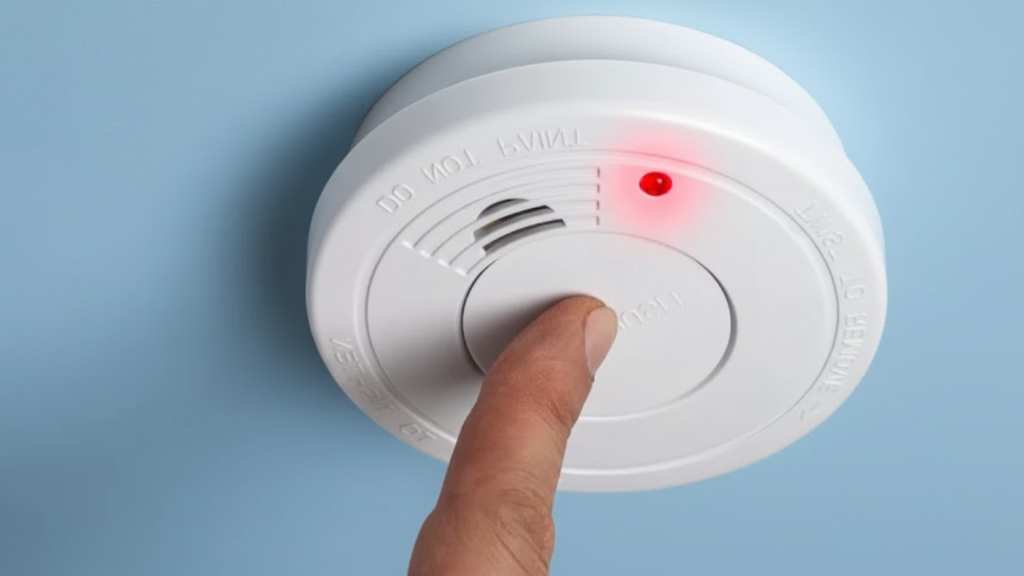
A malfunctioning sensor can cause a smoke detector’s red light to flash, signaling an issue with the unit.
Sensors in smoke detectors can wear out or become damaged over time, which may result in false alarms or flashing lights.
If the sensor is not functioning correctly, it may fail to detect smoke properly or may signal a false alert. When this happens, the flashing red light is an indication that the detector needs attention.
6. Environmental Factors Around the Smoke Detector
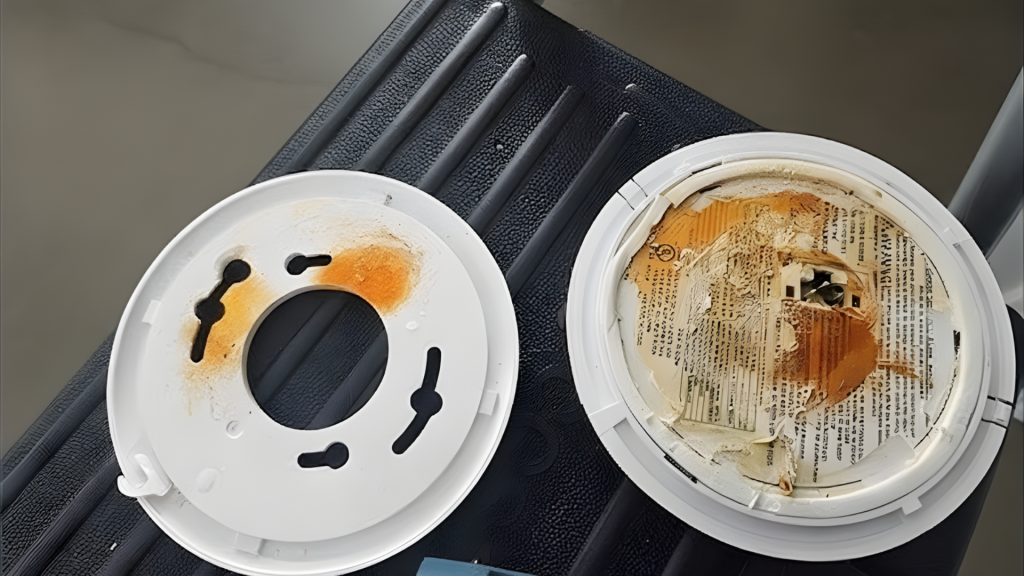
Environmental factors such as high humidity or extreme temperatures can cause a smoke detector’s red light to flash.
Smoke detectors are designed to work within specific temperature and humidity ranges, and if those conditions are exceeded, they may malfunction.
High humidity, in particular, can interfere with the detector’s sensors, causing them to misread the environment and trigger false alarms or flashing lights.
7. Power Issues of the Smoke Detector
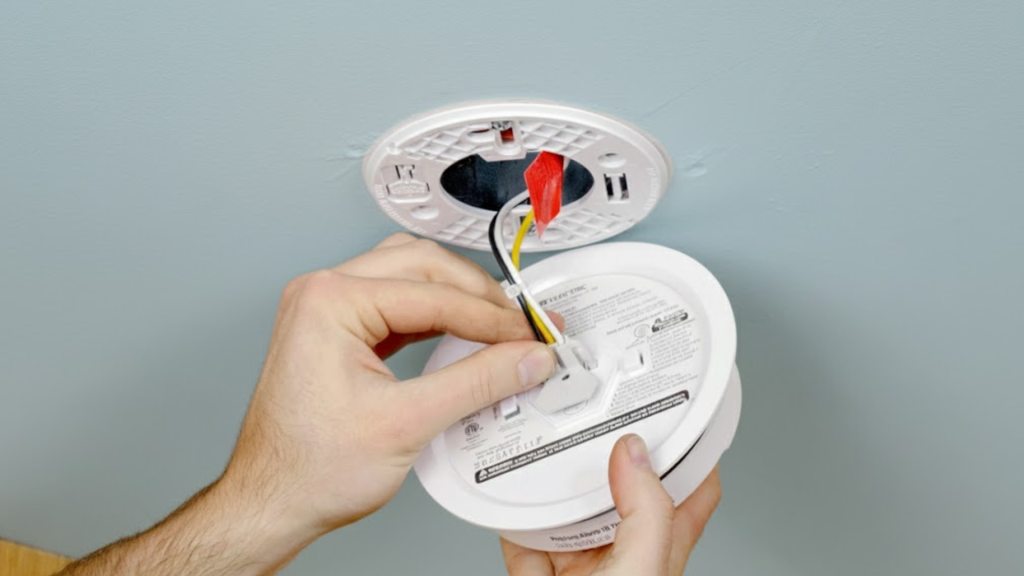
Power issues are another potential cause of a smoke detector red light flashing. If the smoke detector is hardwired into the electrical system, power fluctuations or interruptions may trigger the red light.
Electrical surges, outages, or faulty wiring can all affect the functionality of the detector, causing it to signal a problem.
If the unit is battery-operated, a weak or improperly connected battery can cause the light to flash as well.
Other Important Smoke Detector Signs
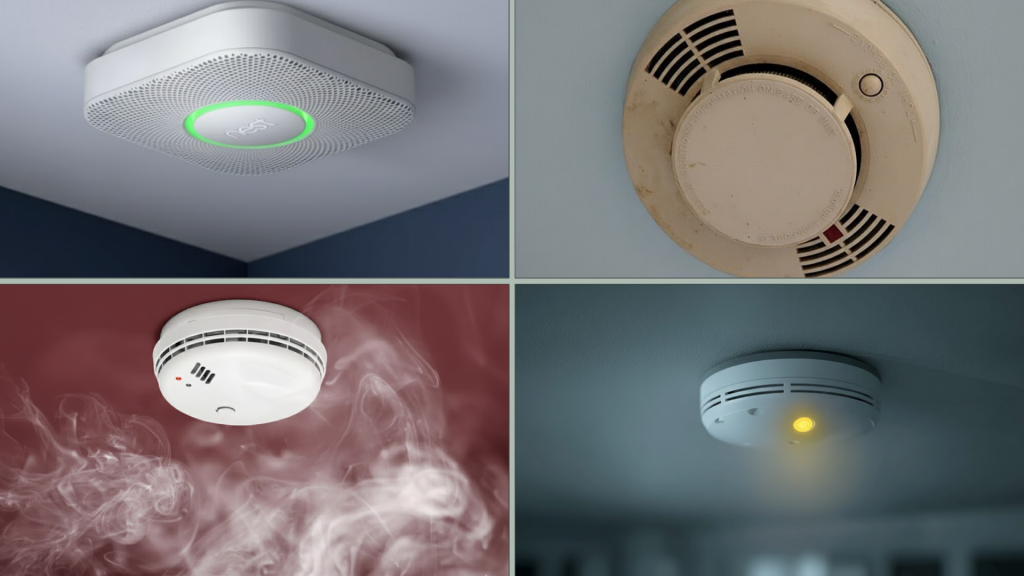
Learn about additional smoke detector signs that indicate potential issues, helping ensure your home stays safe and secure.
1. Continuous Beeping
Continuous beeping from a smoke detector typically signals a potential fire or heavy smoke presence. It’s the most urgent alert a detector can give.
The continuous alarm serves as an immediate warning to evacuate the building and call emergency services.
The beeping can also occur if the detector detects carbon monoxide, though this is specific to combination smoke and CO detectors.
If the alarm sounds for an extended period without a clear cause, it’s critical to investigate further and assess the area for smoke or fire.
2. Intermittent Chirping
If a smoke detector emits intermittent chirping, it usually signals a low battery. This alert indicates that the power source is insufficient, and the detector requires a battery change.
However, chirping can also happen if the unit is malfunctioning or not securely installed. The beeping time is mainly 30 to 60 seconds.
If the battery has recently been replaced and the chirping persists, it might be a sign of another underlying issue, like sensor malfunction or a buildup of dust.
In any case, check the battery, clean the detector, and ensure it is properly installed. Regular maintenance and battery replacements every six months can help prevent such interruptions.
3. Flashing Green Light
A flashing green light on a smoke detector typically indicates that the unit is functioning correctly and receiving power.
This steady indicator shows that the detector is in a “standby” mode, waiting to detect any potential smoke or fire. Another fact to be noted is that not all detectors have green light, but use only red light for all purposes.
However, if the green light turns off or stops flashing, it could suggest a problem with the power supply, such as a disconnected or dead battery.
In wired detectors, the absence of a flashing green light may indicate a wiring issue. Regularly checking that the green light is flashing can help ensure the device remains operational.
4. Yellow or Orange Light
A yellow or orange light on a smoke detector may signal that the unit is experiencing some form of malfunction or maintenance issue.
Some detectors use this color as an indication that the device requires cleaning or servicing. Dust and debris can cause the sensors to become less effective, leading to a non-functioning detector.
It’s important to clean the unit carefully or refer to the manufacturer’s instructions for proper maintenance.
If the light remains yellow or orange after cleaning, it may be time to replace the unit or call a professional for further inspection.
5. No Sound During Test
If the smoke detector doesn’t produce any sound during a test, it’s a sign that the unit is not functioning properly. This could be due to an issue with the battery, sensors, or internal components.
A non-responsive detector during testing means it is unable to alert you in the event of an emergency.
Immediate action is necessary, but replace the battery, clean the detector, or replace the entire unit if necessary. Testing the device monthly is crucial to ensuring it works when needed most.
A lack of response during a test is a critical indicator that further investigation is required.
Troubleshooting a Smoke Detector Red Light
Learn how to troubleshoot a smoke detector red light with these simple steps to identify and resolve the issue effectively.
- Check the Battery: Ensure the battery is installed correctly and not low. Replace it if necessary to stop the red light from flashing.
- Clean the Detector: Dust and debris can interfere with the sensor. Gently clean the detector using a vacuum or soft brush.
- Test the Detector: Use the test button to check the detector’s functionality. A successful test ensures proper operation.
- Inspect for Smoke: Verify if the red light flashes due to smoke or fire. Act accordingly if smoke is present.
- Check for Expiry: Determine if the detector has reached its lifespan, usually 10 years, and replace it if needed.
If the red light continues after troubleshooting, consider replacing the unit or contacting a professional to ensure it functions properly for your safety.
Conclusion
In conclusion, a smoke detector’s red light can signal different things, but it’s essential to understand what it means.
It could indicate something simple like a low battery or dust buildup, but it might also be a sign of smoke or even a malfunctioning unit.
Regular maintenance, like cleaning and testing your detector, will help keep it in good working order. If the red light persists despite your efforts, it may be time to replace the unit.
Don’t wait for a potential emergency; stay proactive about your home’s safety. Have you experienced a flashing red light on your smoke detector?
What did you do to fix it? Share your thoughts in the comments below!
Take action today to ensure your smoke detectors are always ready when you need them most.