The best travel headphones can completely change how a trip feels from the moment it starts. When you travel, sound matters more than you think.
Loud cabins, engine noise, and crowded places can quickly ruin music, movies, or even podcasts.
Poor audio can also make long trips feel tiring, especially when headphones start hurting your ears after some time.
That is why choosing the right pair makes a real difference. Travel headphones are designed for long hours, so comfort stays consistent, and sound remains clear even in noisy places.
They are also different from regular headphones in a few key ways. Travel-focused models usually offer better noise cancellation, longer battery life, and designs that are easy to carry.
In this blog, you will learn what features actually help during travel, which types suit different needs, and how to pick a pair that feels right throughout the journey.
What Makes Headphones Good for Travel
Travel headphones focus on a few key things that regular models often miss. Sound quality matters first because you want clear vocals, balanced bass, and steady volume even in loud places.
The travel headphones keep sound clean without forcing you to raise the volume too much. Comfort is just as important since travel often means wearing headphones for hours.
Soft padding, low ear pressure, and a stable fit help avoid pain and fatigue. Noise cancellation plays a big role during flights, trains, and bus rides by reducing engine and crowd noise.
Portability also counts because bulky headphones are annoying to carry. Folding designs, lighter weight, and a solid case make packing easier.
Battery life ties everything together since long trips need headphones that last all day. Quick charging is a bonus when time is limited. This is why the best travel headphones focus on balance, not just sound.
Best Travel Headphones You Can Rely On
This list of best travel headphones covers top options for comfort, sound, and noise control, making long trips easier and more enjoyable.
1. Sony WH-1000XM5

Sony WH-1000XM5 sits at the top for a clear reason because it uses eight microphones that work together to reduce airplane noise, nearby chatter, and general background sounds.
Audio stays clean with clear highs, smooth mids, and bass that feels deep without taking over. Battery life reaches up to 30 hours, which easily covers long international trips.
The earcups feel soft and stay comfortable even after hours of use, with no sharp pressure points. They fold flat instead of inward, so they need a bit more bag space.
2. Bose QuietComfort Ultra

Bose QuietComfort Ultra improves on what Bose already does well. Noise cancellation feels strong and steady, especially during flights and train rides.
Spatial audio adds depth to music and movies, which makes long trips feel less boring. Comfort is a big win here, as the headband spreads weight evenly and the earcups stay soft without heating up.
Battery life sits around 24 hours with noise cancellation on. CustomTune adjusts sound based on ear shape, helping audio feel more natural.
3. Apple AirPods Max

AirPods Max focus on premium design and smooth performance. The aluminum build feels solid while still being comfortable on the head.
The audio adjusts with head movement, which works great for movies and shows. Noise cancellation performs at a very high level and blocks outside noise well.
The mesh headband and memory foam ear cushions help reduce pressure during long use. Battery life reaches about 20 hours, which is fine but not class-leading.
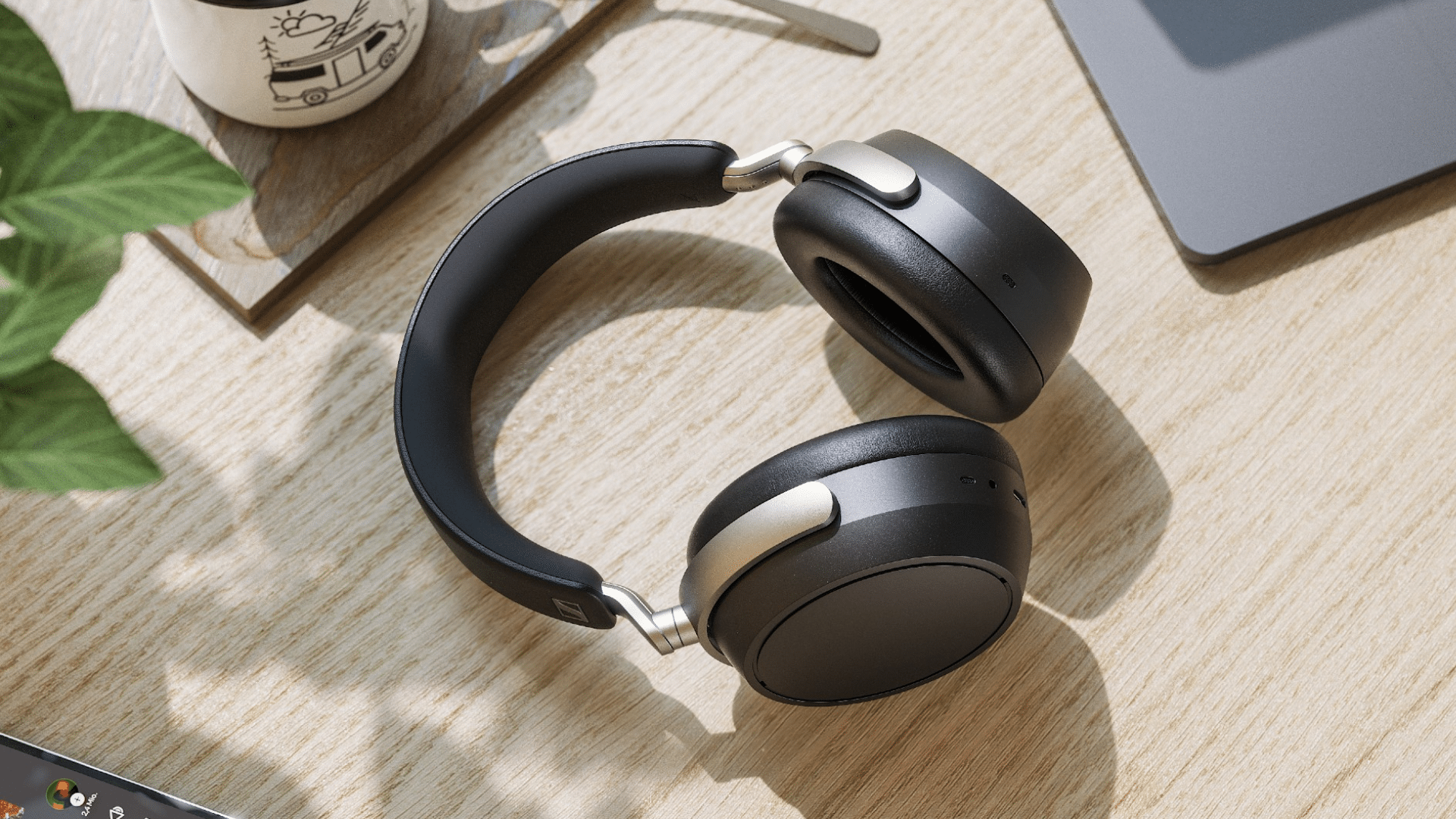
4. Sennheiser Momentum 4 Wireless

Sennheiser Momentum 4 Wireless targets listeners who care deeply about sound quality. Audio tuning focuses on balance and clarity instead of heavy bass.
Battery life is one of its biggest strengths, lasting up to 60 hours on a single charge. Noise cancellation performs well in most travel situations, though it falls slightly behind Sony and Bose.
Adaptive noise control adjusts based on surroundings. Comfort stays consistent with soft padding on the headband and earcups.
5. Bose QuietComfort 45
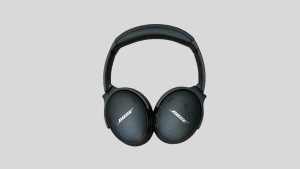
Bose QuietComfort 45 offers reliable performance at a more approachable price. Noise cancellation works extremely well for steady sounds like engines and air conditioning.
Aware mode lets outside sound in when announcements or conversations matter. Battery life lasts around 24 hours per charge.
The lightweight build makes them easy to wear all day without discomfort. Sound remains balanced and suits many music styles.
6. Sony WH-1000XM4
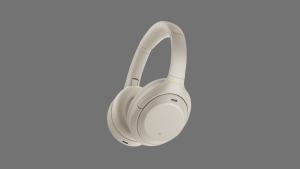
Sony WH-1000XM4 is still a strong pick even after the newer version launched. Many travelers choose it because the overall performance stays very close, while the price is usually lower.
Noise cancellation remains excellent and handles plane cabins and crowded terminals without trouble.
The speak-to-chat feature pauses audio automatically when you start talking, which feels useful during quick interactions.
7. Anker Soundcore Space Q45

Anker Soundcore Space Q45 shows that good travel headphones do not need a high price tag. Noise cancellation works well for most travel situations, even if it falls slightly behind premium models.
Battery life stands out with up to 50 hours using noise cancellation. Sound quality feels impressive for the price, offering clear vocals and strong bass.
LDAC support helps maintain audio quality on supported devices. Comfort suits most users thanks to adjustable padding and a balanced fit.
8. JBL Live 660NC

JBL Live 660NC works well as a budget-friendly travel option. The on-ear design keeps them compact and easy to pack.
Noise cancellation handles basic travel noise but struggles in louder environments. Battery life lasts around 50 hours without noise cancellation and about 40 hours with it turned on.
Sound follows JBL’s energetic style with a stronger focus on bass. Lightweight design helps reduce fatigue, though some users may feel ear pressure over time.
9. Audio-Technica ATH-M50xBT2

Audio-Technica ATH-M50xBT2 brings studio-style sound into a wireless travel format. Audio quality feels accurate and detailed across all frequencies.
Bass stays strong without overpowering vocals or instruments. These headphones do not include active noise cancellation and rely on passive isolation instead.
Battery life reaches about 50 hours, which is more than enough for long trips. The build quality feels solid and reliable for frequent travel.
Wired or Wireless Headphones: Which Is Better for Travel?
Choosing between wired and wireless headphones depends on how you travel and what you value most.
Wireless headphones offer freedom from cables, which feels convenient during flights, airport walks, and hotel stays.
They pair quickly, work well with phones, and often include noise cancellation and touch controls. Battery life matters here, but most modern options last long enough for full-day travel.
Wired headphones focus on reliability and simplicity. They never need charging and work without pairing issues, which can feel stress-free on long trips.
Audio quality also stays consistent, especially on planes with in-flight systems. For frequent flyers and daily commuters, wireless headphones feel more practical.
For travelers who prefer simple use and zero battery worries, wired headphones still make sense. Your travel style should guide the choice, not trends.
Best Travel Headphones: Real World Experiences

Real users’ experiences say a lot about how the travel headphones hold up over time.
Many travelers use Sony XM3 or XM4 without even carrying the case, folding them and placing them at the top of a backpack with no damage after multiple trips.
XM4 is often seen as a smart downgrade if newer models feel too expensive, while still offering strong noise control that beats most earbuds.
Older Bose QC35 models also get praise for being compact, lasting for years, and working well with airplane cables.
Some users prefer carrying cases, while others never bother and still have no issues. Soundcore Q45 stands out for travelers who want value, strong battery life, and good sound without worrying too much about wear and tear.
For rough travel habits, the best travel headphones like these make daily trips easier and stress-free.
Tips for Choosing the Best Travel Headphones
Choosing the right travel headphones depends on travel habits, comfort needs, and the features that matter most during long hours on the move.
- Travel Style: Frequent flyers often need strong noise cancellation and long battery life, while short trips may only require comfort and simple controls.
- Wireless Convenience: Wireless headphones are a popular choice for commuters because they reduce cable hassle and feel easier to use on the go.
- Wired Reliability: Wired headphones work well for travelers who want consistent audio and no charging concerns during trips.
- Comfort and Fit: Comfort should be a top priority, especially when wearing headphones for long flights or extended travel days.
- Portability: Compact, foldable designs are better suited for travelers who pack light and want easy storage.
- Avoiding Unnecessary Features: Many buyers overpay for extra features they rarely use instead of focusing on real travel needs.
Conclusion
The best travel headphones make a real difference when comfort, sound quality, and noise control matter most. Choosing the right pair comes down to how and where you travel.
Strong noise cancellation helps during flights and busy terminals. Comfort matters when headphones stay on for hours. Battery life keeps things simple on long trips.
Portability helps when space is limited, and the wireless models bring ease and freedom, while wired options offer reliability without charging worries.
Sound quality should stay balanced and clear, even in loud places. Price also plays a role, since not everyone needs the most expensive option to get good results.
This guide covered top models, key features, and real user experiences to help narrow the choices. The goal is to pick headphones that feel easy to use and enjoyable on every trip.
Which travel feature matters most to you when choosing headphones? Share your thoughts or experiences in the comments below.