Not all water and dust-proofing works the same way, yet many devices carry labels that seem confusing at first glance.
IP67 and IP68 are two common ratings, but the difference between them is often misunderstood by buyers.
This blog explains the meaning of these ratings in clear, simple language. It outlines what IP ratings are, why they exist, and how the two numbers indicate dust and water resistance.
You will learn how the two ratings compare for dust protection and where water resistance begins to differ.
Real use situations, testing conditions, and practical expectations are also briefly covered.
The blog highlights typical scenarios, clarifies common misunderstandings, and helps match each rating to everyday settings.
By the end, the comparison between IP67 and IP68 should feel straightforward, realistic, and easy to apply when choosing a device for normal daily use, without confusion.
This overview supports choices before buying electronics
What IP Ratings Mean in Simple Terms?
An IP rating is a standard used to show how well a device is protected from dust and water. It exists so buyers can compare protection levels without relying on vague claims or assumptions.
The rating begins with the letters IP, followed by two numbers.
The first number refers to resistance against solid particles such as dust. A higher value means stronger protection from small particles entering the device.
The second number relates to water exposure, showing how much moisture the device can handle during controlled testing.
These ratings are based on specific test conditions, not everyday use. They serve as a clear reference point to help understand where a device can be used safely.
Understanding the Dust Protection Level
The first digit in an IP rating refers to protection against solid particles, including dust. In both IP67 and IP68, this number is 6, which is the highest level available for solid protection.
A rating of 6 means the device is fully sealed against dust, with no particles able to enter during testing.
Because both ratings share the same first digit, there is no difference between IP67 and IP68 when it comes to dust resistance.
This is important in real use, especially in environments with sand, dirt, or fine debris.
Devices with this level of sealing are better suited for outdoor use, workspaces, or areas where dust exposure is common.
In short, when comparing IP67 vs IP68, dust protection is equal, and the deciding factor comes down to water exposure, not solids.
Water Resistance Explained: IP67 vs IP68
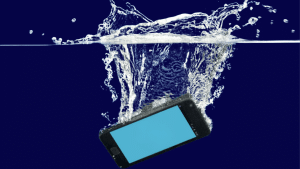
The second digit in an IP rating shows how well a device resists water exposure. This is where IP67 and IP68 differ.
IP67 devices are tested to handle water immersion up to 1 meter for a duration of 30 minutes under controlled conditions.
This level is meant to cover accidental contact with water, such as brief submersion.
IP68 devices are tested for deeper and longer water exposure. The exact depth and time are not fixed and are defined by the manufacturer.
In most cases, this means immersion beyond 1 meter for extended periods, based on specific product testing standards.
It is important to note that these tests are performed in fresh water under laboratory conditions.
Real world factors like water movement, pressure, and temperature can affect performance, so the rating reflects limits under controlled testing rather than unlimited water protection.
How IP67 Performs in Real World Situations
IP67 is designed to handle common water exposure that happens during normal use. Light splashes from sinks, spills, or washing hands near a device are not a concern.
Rain exposure, including steady rainfall, is also within safe limits as long as the device remains intact.
Accidental drops into water, such as a phone falling into a sink or shallow puddle, are typically covered under this rating.
IP67 allows short periods of submersion, up to 1 meter for 30 minutes, which helps protect against brief mistakes rather than planned water use.
This level of protection works well for daily environments where water contact is occasional and unplanned.
It offers reassurance for everyday mishaps but is not intended for repeated or extended water exposure.
How IP68 Handles Water Exposure
IP68 offers stronger water tolerance by allowing devices to handle deeper and longer submersion compared to lower ratings.
Unlike IP67, which is limited to short immersion, IP68 is designed for water exposure beyond brief contact and is tested for submersion deeper than 1 meter.
However, the exact depth and duration are not defined by the rating itself, since these limits are set by the manufacturer.
For that reason, the specific water tolerance is usually listed in the product documentation or technical specifications.
While IP68 provides more confidence for use in environments with frequent water exposure, testing is still done under controlled conditions.
Real-world factors such as water pressure, movement, and temperature can affect how well a device performs.
Key Differences Between IP67 and IP68
The table below highlights how IP67 and IP68 differ in water limits, usage flexibility, and the level of protection offered for everyday devices.
| Feature | IP67 | IP68 |
|---|---|---|
| Dust Protection | Complete dust sealing | Complete dust sealing |
| Water Depth Limit | Up to 1 meter | Beyond 1 meter |
| Submersion Duration | Up to 30 minutes | Longer periods based on manufacturer limits |
| Water Exposure Type | Short and accidental | Extended and planned |
| Flexibility in Use | Limited to brief contact | More tolerant of longer exposure |
| Typical Device Usage | Phones, earbuds, daily electronics | Premium phones, wearables, outdoor devices |
| Testing Conditions | Controlled fresh water | Controlled fresh water with higher thresholds |
| User Confidence Level | Protection from common mishaps | Added reassurance around water contact |
Which Rating Makes More Sense for Daily Use
The better choice for daily use depends on where and how a device is used.
IP67 is usually sufficient for everyday environments that involve rain, splashes, or the occasional drop in water. It suits typical routines where water contact is accidental rather than frequent.
IP68 makes more sense for users who spend more time around water or in damp conditions.
Activities near pools, outdoor work, or frequent exposure to moisture can benefit from the added tolerance that IP68 provides.
While both ratings handle dust equally well, the decision often comes down to how much water exposure is expected during normal use.
Common Myths About IP67 and IP68 Ratings
Many people assume IP67 and IP68 mean a device is fully waterproof, but that is a common misunderstanding.
These ratings indicate resistance, not total protection, and they apply only under specific test conditions.
Another misconception is that saltwater is safe, even though testing is done in freshwater, and salt can cause corrosion over time.
Pressure is also often overlooked, as deeper water increases force on seals beyond tested limits. Long term or repeated water exposure can weaken seals as well, even if a device meets the rating.
Understanding these limits helps set realistic expectations and avoid damage caused by misuse.
Conclusion
Choosing between IP67 and IP68 depends mainly on how much water exposure a device is likely to face.
Both ratings offer the same level of dust protection, so solid particles are not the deciding factor.
IP67 is usually enough for daily situations such as rain, splashes, or brief accidental drops in water. It fits well with normal routines where moisture contact is occasional and unplanned.
IP68, on the other hand, is better suited for environments where water exposure happens more often or lasts longer. This can include outdoor settings, wet work areas, or regular contact with water.
Understanding typical usage habits helps narrow the choice and avoid paying for protection that may never be used. Focus on real conditions rather than numbers alone.
Share in the comments which rating fits your daily use and why?