One unexpected text can turn an ordinary day into a moment of doubt. Is it real, or is someone trying to trick you?
Text scams are growing fast, and many people feel stuck between ignoring the message and wanting it to stop for good.
This blog post explains a safer, smarter way to handle that situation.
Before sending any reply, it helps to know how scam messages look and why scammers back off so quickly.
From there, you will learn simple methods and message examples that can scare a text scammer without putting your privacy at risk.
The focus stays on awareness, control, and clear boundaries.
By the end, you will know how to spot scam texts early, respond only when it makes sense, and shut down unwanted messages with confidence.
How to Recognize Text Scam Messages?
Text scam messages often use urgency, vague language, and suspicious links to trick you. Be cautious if they promise rewards or ask for personal details.
- Urgency and Pressure: Scammers often create a sense of urgency, pushing you to act fast by claiming an issue with an account, delivery, or payment.
- Unsolicited Rewards or Prizes: They may promise rewards, refunds, or prizes you never signed up for, hoping to lure you into reacting impulsively.
- Vague Language: Instead of using your name, they refer to generic terms like “your account” or “your package,” making the message feel impersonal and suspicious.
- Suspicious Links: Shortened or unfamiliar links are often a red flag. Legitimate companies don’t ask for sensitive information like passwords or codes via text.
- Rushed or Unclear Messaging: If the message feels rushed, unclear, or out of the blue, treat it with caution and take a moment to assess before reacting
Message Examples That Often Make Scammers Stop
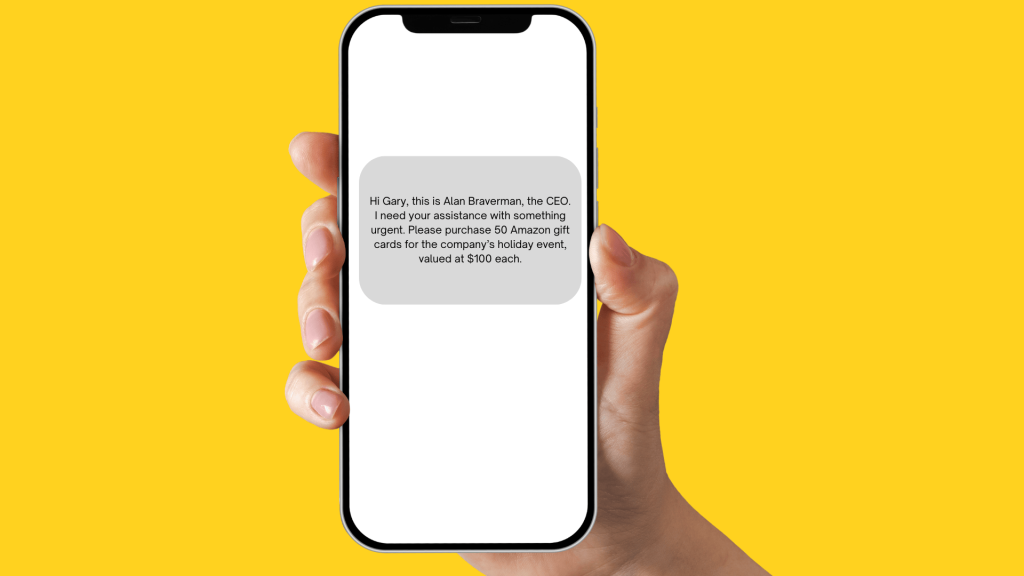
Here are some practical message types that signal awareness and control. These examples are short, calm, fun, and are designed to stop further contact without sharing personal details.
1. Authority and Reporting Messages
These messages work by signaling risk. Scammers often stop when they believe a number may be reported to a carrier or fraud system.
The wording stays general and factual, without naming specific agencies or making threats.
This approach is effective because it reminds scammers that repeated reports can shut down their numbers. Keep the message short and avoid continuing the conversation after sending it.
- “This number is being reported to my mobile carrier for spam activity.”
- “Your message has been flagged and reported as a scam.”
2. Legal Awareness Messages
Legal awareness messages suggest consequences without making claims or threats. They work best when written in a calm, neutral tone.
Scammers rely on people feeling unsure, so clear language showing awareness often ends the exchange. Avoid strong legal language or specific accusations.
The goal is to show you understand what is happening and are not an easy target.
- “This message has been documented and may be shared for fraud review.”
- “I am aware this is a scam and will not respond further.”
3. Technical Awareness Messages
These messages hint at monitoring or records without sharing details. Scammers fear traceability, even if no real tracking is happening.
Simple references to logs or records are enough. Do not mention IPs, locations, or systems.
Keeping it vague makes the message sound realistic while protecting your privacy and reducing the chance of follow-up replies.
- “All messages from this number are logged.”
- “This conversation has been recorded for review.”
4. Firm No-Engagement Messages
Firm no-engagement messages clearly close the conversation. They remove any chance for the scammer to continue or adjust their approach.
These messages work best when sent once and followed by blocking the number.
Avoid emotion, questions, or explanations. A clear boundary often makes scammers move on quickly.
- “Do not contact this number again.”
- “No response will be sent. Further messages will be blocked.”
5. Internal Policy Review Messages
Internal policy review messages make it seem like the message has triggered a standard safety check. This gives the sense that rules are already in place and the situation is no longer casual or personal.
There should be no emotion, threats, or warnings, just a clear signal that steps are already happening.
These messages often work because scammers prefer easy targets and usually stop when a reply feels official and structured.
- “This contact has been flagged under internal messaging rules.“
- “Your message has been logged for policy compliance review.“
6. Verification Challenge Messages
Verification challenge messages flip the script by questioning the sender’s legitimacy. This approach creates doubt and often ends the conversation immediately.
These messages work because they signal you are skeptical and informed, making it clear you will not fall for manipulation tactics.
Keep the challenge brief and avoid engaging in back-and-forth explanations.
- “Verify your identity through official channels before further contact.“
- “I will only respond to verified communications from legitimate sources.“
7. Network Security Alert Messages
Network security alert messages suggest that the message has triggered security protocols. This creates the impression that systems are monitoring and protecting your number.
These messages are effective because they hint at automated protection that scammers cannot bypass or manipulate.
The language should sound systematic rather than personal to maintain credibility.
- “This message has triggered security alerts on my device.“
- “Suspicious activity from this number has been detected and filtered.“
Why Text Scammers Back Off So Easily?
Text scammers rely on speed, confusion, and silence from their targets. When those elements disappear, they often lose interest fast.
Most scammers work with many numbers at once, so any sign of resistance costs them time. Mentions of reports, records, or monitoring suggest risk, even if no details are shared.
Scammers also depend on staying unknown, so anything that hints at tracing or documentation makes them uneasy.
Clear, calm replies show that fear and pressure are not working. This shift in control usually pushes scammers to move on to easier targets.
Once they sense awareness and boundaries, continuing the conversation no longer benefits them, which is why many stop replying without warning.
What to Avoid Saying in Scam Text Replies?
This section highlights common reply mistakes that can increase risk or invite more messages, helping readers avoid responses that scammers often use to continue contact.
- Emotional or Angry Replies: Showing anger or fear tells scammers the message affected you, which can encourage them to keep texting or change tactics.
- Sharing Personal Details: Any personal information, even small details, can be misused and should never be included in a reply.
- Asking Questions: Questions keep the conversation alive and give scammers more chances to manipulate the exchange.
- Sending Long Messages: Lengthy replies provide more material for scammers to respond to and adjust their approach.
- Replying Multiple Times: Repeated responses confirm your number is active and increase the chance of future scam attempts.
What to Do After the Scammer Stops Replying?
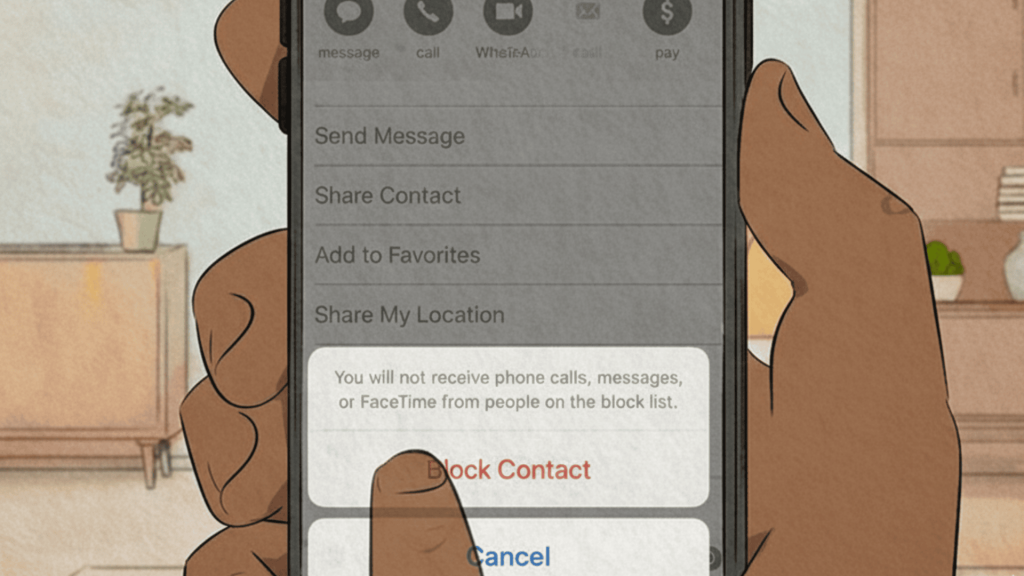
This section covers simple steps to take after a scammer stops replying, helping you secure your number and lower the chance of similar messages in the future.
- Block the Number: Blocking stops any future messages from the same sender and helps prevent repeat attempts using the same number.
- Report the Message: Reporting the text to your carrier or a fraud reporting service helps flag the number and protect others.
- Delete the Conversation: Removing the message thread clears clutter and prevents accidental replies later.
- Enable Spam Filters: Turning on built-in spam protection helps catch similar scam messages before they reach your inbox.
- Stay Alert Going Forward: Being cautious with unknown numbers and links reduces the chance of engaging with future scam attempts.
Should You Always Try to Scare a Text Scammer?
No, you do not always need to scare a text scammer to stay safe. In many cases, ignoring the message and reporting it is the best choice.
Some scammers send messages in bulk and move on quickly when they get no response. Replying, even with a firm message, can confirm that your number is active.
Scaring a scammer works best when the message is persistent or repeated.
If the text feels aggressive, personal, or unusual, it is safer not to reply at all.
The goal is always protection, not confrontation. Choose the response that lowers risk and keeps your information secure.
Conclusion
Text scams are frustrating, but handling them the right way can make a real difference. Knowing how scammers operate, when to reply, and when to stay silent helps you stay in control.
Smart responses focus on awareness, short messages, and clear limits instead of emotion or fear. In many cases, blocking and reporting will do more good than engaging at all.
The key is choosing the option that protects your privacy and reduces future risk. Staying alert to unknown texts makes it easier to act calmly instead of reacting fast.
If you have dealt with a text scam before or used any of these methods, share your experience in the comment section below.
Your comment may help others feel more confident when facing the same situation.