You pull a paper plate from the cabinet, load it with leftovers, and pause right before hitting start.
Can you microwave paper plates without ruining dinner?
That pause is common, and getting a clear answer matters more than most people realize. Paper plates look simple, yet material details change how they hold up under heat.
Some plates handle a quick reheat just fine, while others carry hidden risks tied to coatings, prints, or thickness. Knowing the difference matters.
Understanding what separates a safe plate from a risky one turns a small kitchen question into a much easier decision.
Can You Microwave Paper Plates Safely?
Yes, plain paper plates without coatings or prints are generally safe to microwave for short reheating periods.
Plates made from simple paper fibers hold up well under quick heat exposure.
Long cooking times increase risk. Extended heat can weaken the plate structure, causing it to soften, sag, or lose shape faster than expected during use.
The USDA recommends white, unprinted paper products for microwave use. This guidance helps avoid plates with inks or dyes that may not handle heat safely.
Manufacturer instructions still matter most. Plate thickness and build vary by brand, so checking the packaging gives a more reliable answer than guessing.
What Types of Paper Plates Are Microwave-Safe, and Which Are Not?
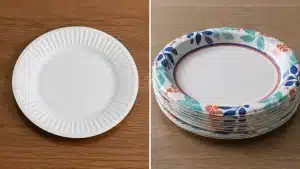
Sorting plates into two simple groups makes the choice quick. One side reheats safely, and the other invites warping, melting, or sparks.
| Microwave-Safe | Not Microwave-Safe |
| Plain white, uncoated plates | Wax-coated plates |
| Uncoated disposable plates | Plastic-coated or glossy plates |
| Plates labeled microwave-safe | Printed or dyed plates |
| Thick molded fiber plates (short reheats) | Foil-lined or metallic-rim plates |
| Manufacturer-approved products | Very thin, low-quality plates |
When two or more of these traits overlap, plain, uncoated, and clearly labeled, you have the safest paper plate for a quick reheat.
Tip: When I am unsure, I default to a plain white plate with no shine, since it is the closest thing to a guaranteed-safe option.
What Do Community Discussions Say About Microwaving Paper Plates?

Curious whether other people actually do this or just worry about it? A long Quora thread on the question shows a clear pattern.
Most contributors say plain, uncoated paper plates are fine for short reheating, and several suggest a simple test: microwave the empty plate next to a cup of water for about a minute, and if the plate turns hot, it is not microwave-safe.
Others, including a few engineers, point out that paper holds no water to heat, so the real issue is usually structural.
Thin plates soak up melted grease and go limp, and heating for too long with little food on the plate can scorch or even ignite it. The recurring advice is to keep food on the plate, keep it short, and watch it closely.
Paper Plate Microwave Risks: Melting, Fire, and Coatings

When a plate is the wrong type, a few specific problems tend to show up. They stay rare with careful use, but knowing them helps you catch trouble early.
| Risk | What Causes It |
| Warping or softening | Thin or low-quality plates under sustained heat |
| Burn marks or light smoke | Heating longer than the food actually needs |
| Residue or chemical transfer | Coatings, inks, or dyes releasing under high heat |
| Sparks | Metallic decorations or foil lining |
| Spills | Weakened plates losing their structure |
How Long Can You Microwave Paper Plates?
Paper plates work best for reheating food, not cooking it from scratch. Short microwave intervals help prevent excessive heat buildup and reduce the risk of damage.
Start with 30- to 60-second intervals and check the food and plate condition between each cycle. This simple habit catches problems early before they worsen.
Leaving a paper plate in the microwave for extended periods raises the chance of warping, scorching, or weakening the material over time.
For longer heating needs, transferring food to a glass or ceramic container is a safer and more reliable option than pushing a paper plate too far.
Tips to Microwave Plastic Plates Safely
Plastic plates follow slightly different rules than paper. The material can warp or leach if it is not built for heat, so a few habits keep things safe.
- Check for the label: Use only plates marked microwave-safe, since that label means the plastic was tested to handle heat.
- Avoid single-use tubs: Takeout containers, yogurt cups, and deli tubs are not made for reheating and can warp or leach.
- Retire worn plastic: Cracked, cloudy, or heavily scratched plates should be replaced, since damage makes leaching more likely.
- Skip high-fat foods: Oily or sugary foods get far hotter than the plate rating expects, raising the risk of melting.
- Vent and heat in bursts: Leave room for steam to escape and use short intervals, checking the plate between cycles.
When a plastic plate is labeled, undamaged, and used for short reheats, it is a dependable everyday option.
Advice: I would not reheat greasy leftovers on any thin plastic, labeled or not. A glass dish handles that kind of heat far more predictably.
Wrapping Up
So, can you microwave paper plates? Plain, uncoated plates usually handle short reheats just fine, while coated or printed ones carry real risks worth avoiding.
The bigger lesson here goes beyond one plate type. Checking materials before microwaving anything keeps kitchens safer and prevents small mistakes from turning messy.
This matters because everyday habits often go unquestioned until something goes wrong. A quick label check takes seconds and saves real hassle later.
Have you had a paper plate warp, spark, or surprise you in the microwave? Share your experience or tips in the comments below.
Frequently Asked Questions
What Two Things Should You Never Put in a Microwave?
Metal and foil top the list, since they can spark and start a fire. Sealed or airtight items, such as closed jars or whole eggs, can also burst from built-up pressure.
Can You Microwave Paper Cups?
Plain, uncoated paper cups handle short reheating, but many have wax or plastic linings that soften or melt. Check for a microwave-safe label, and avoid any cup with a metallic rim.
Can You Microwave Paper Towels?
Plain white paper towels are generally microwave-safe for covering food or absorbing splatter. Avoid printed or recycled towels, and never heat one dry for long, since it can scorch or burn.