You take a vape puff indoors, the cloud drifts upward, and suddenly an alarm blares, making everyone panic and stare like trouble just started.
That moment prompts many people to ask: can smoke detectors detect vape, especially in areas like hotels, schools, and offices with strict safety rules?
Smoke alarms protect lives by sensing danger early, but vape aerosol looks similar to smoke, which causes confusion, stress, and unnecessary evacuations.
I will be telling you how smoke detectors respond to vape smoke and what makes some alarms react while others stay silent indoors.
But before getting into the answers, it makes sense to understand how smoke alarms work at a basic level and why air changes matter for them.
Can Smoke Detectors Detect Vape Smoke?
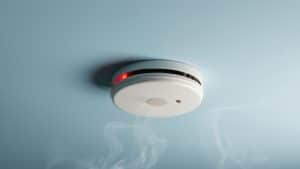
Yes, smoke detectors can detect vape smoke in many cases, but it’s not guaranteed and often results in false alarms rather than reliable detection.
Vape devices release aerosol from liquid ingredients, and these tiny particles can appear similar to smoke in a detector chamber.
When someone exhales a thick cloud near a detector, the particles may confuse the sensors, triggering an unexpected alert.
This usually happens in small spaces, such as bathrooms, hotel rooms, or bedrooms, with poor airflow. Light puffs in open rooms often fade quickly, giving detectors little time to react before particles clear.
Smoke detectors are built for fire safety, not vaping, which explains why results feel random and cause stress for many users who vape near them.
Understanding the Basics of Smoke Alarms
Smoke alarms are simple safety devices placed in homes and buildings to alert people when fire-related signs appear in the air.
They react to smoke particles or sudden heat changes and make loud sounds so people can act fast and stay safe.
Many people think all smoke alarms work the same, but different models sense the air around them in very different ways.
Some alarms focus on tiny floating particles, while others rely on changes in light or rising heat levels in rooms people use daily.
This difference often confuses people who vape indoors because the cloud looks like smoke but doesn’t come from burning materials nearby.
Understanding how smoke alarms detect air helps explain false alarms and why some household activities trigger them more easily for users.
Types of Smoke Detectors and How They Respond to Vape
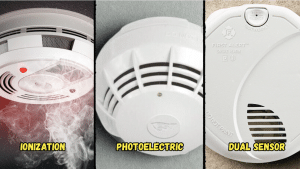
Not all smoke detectors work the same, since they come in different types and react to air changes based on how their internal sensors operate.
1. Ionization Smoke Detectors
Ionization smoke detectors work by using a small electrical current that changes when tiny airborne particles enter the sensing chamber.
They react faster to fast-burning fires, which release smaller particles that interrupt the current quickly and trigger alerts sooner.
With vaping, thick clouds released close to the detector can sometimes disturb the current, but lighter vapor usually spreads and fades without setting it off.
2. Photoelectric (Optical) Smoke Detectors
Photoelectric smoke detectors use a small light sensor that reacts when airborne particles enter the sensing chamber and scatter light.
They work best with slow-burning fires, since larger particles hang in the air longer and change how light behaves inside the device.
When vaping nearby, thick clouds can scatter light in a similar way, potentially triggering alerts more often in tight spaces.
3. Combination or Dual-Sensor Detectors
Combination detectors use two sensing methods together, usually particle detection and light-based sensing, to improve fire alert accuracy.
They react to both fast flames and slow-burning fires, which makes them common in modern homes and shared buildings.
With vaping, dense clouds released nearby may trigger alerts since both sensors can react at once, though results remain inconsistent.
Factors That Influence Whether Vape Sets Off Smoke Alarms
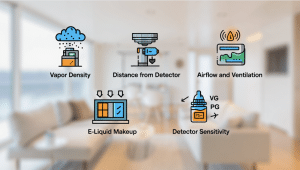
Several everyday conditions decide if vaping will trigger a smoke alarm, and these factors often change based on space size, airflow, and device use.
- Vapor density: Thick clouds from strong devices stay in the air longer, making it easier for particles to reach sensors before clearing out.
- Distance from detector: Vaping close to a smoke alarm increases chances since particles enter the sensing chamber almost instantly without spreading.
- Airflow and ventilation: Poor airflow traps vapor indoors, while fans, open windows, or vents help move particles away quickly.
- E-liquid makeup: Liquids with more vegetable glycerin form heavier clouds, while propylene glycol-focused blends produce lighter vapor that fades faster.
- Detector sensitivity: Older alarms or highly sensitive units may react to non-fire particles, especially when humidity or steam exists nearby.
Vape Detectors vs. Traditional Smoke Detectors: Key Differences
Vape detectors and traditional smoke detectors serve very different purposes, even though people often confuse them because both monitor indoor air quality.
| Aspect | Vape Detectors | Traditional Smoke Detectors |
|---|---|---|
| Main purpose | Identify vaping activity inside restricted areas like schools or hotels | Detect fire-related smoke particles for emergency alerts |
| What they sense | Aerosols, chemicals, and gases linked to vaping | Smoke particles or heat from burning materials |
| Reaction to vape | Designed to respond accurately to vape clouds | May react inconsistently or cause false alerts |
| Reaction to fire | Limited or none | Strong and reliable response |
| Common locations | Schools, restrooms, offices, hotels | Homes, hallways, public buildings |
| Alert style | Silent alerts sent to staff or systems | Loud alarms meant for evacuation |
How to Vape Indoors Without Triggering Smoke Detectors?
If someone still chooses to vape indoors, a few smart habits can reduce the risk of alerting others, though nothing guarantees zero risk in shared spaces.
- Use low-output vape devices that produce smaller clouds, as less vapor in the air reduces sensor confusion in smoke alarms.
- Stay far from smoke detectors and never exhale upward, because rising vapor can reach sensors faster than people expect.
- Keep windows openor fans running, as steady airflow helps move vapor out before it builds up near ceilings.
- Choose lighter e-liquids that produce thinner clouds, since heavier vapor hangs longer and increases the risk of alerting indoors.
- Avoid small rooms like bathrooms, as limited space traps vapor and increases the risk of setting off alarms.
- Take shorter puffs and pause between them, which helps the vapor clear naturally rather than stack in the air.
Conclusion
Smoke detectors exist to protect lives, but vape clouds raise questions about can smoke detectors detect vape during normal indoor use.
Understanding this behavior helps you avoid fines, stay calm indoors, and know why smoke detectors can sometimes detect vape safely today.
Modern buildings now combine fire protection with smarter air monitoring so alarms respond to real danger, not just harmless vapor events.
This balance keeps neighbors relaxed, avoids panic, and lets emergency teams focus their time on true emergencies when alarms sound correctly.
As indoor vaping continues, clear knowledge helps both of us make safer choices while respecting rules and shared safety expectations daily.
Have you ever seen a smoke alarm setting off just because someone vaped? Tell us, share with us in the comments below.
Frequently Asked Questions
Do Smart Smoke Detectors Handle Vape Better?
Smart models use AI to distinguish vape aerosols from fire smoke, reducing false alarms through cloud analytics and machine learning.
Does Humidity from Vaping Trigger Alarms?
Yes, high humidity in vape clouds can mimic smoke in photoelectric detectors, especially in steamy bathrooms without ventilation.
Can Vape Detectors Replace Smoke Alarms?
No, vape detectors target nicotine/glycols specifically; they ignore actual fire smoke, compromising life safety.
How Does Ceiling Height Affect Detection?
Higher ceilings dilute vape clouds before reaching detectors; low ceilings trap particles closer to sensors.
Are Hotel Smoke Detectors More Sensitive?
Many hotels use commercial-grade, highly sensitive units calibrated for rapid fire response, increasing vape triggers.