Why does a fire alarm sometimes feel confusing until something goes wrong? Many people remain unsure about how these systems function or why regular care matters.
In this blog, let us clear that confusion with simple explanations and practical context. The goal is to help readers understand alarms, inspections, and common issues without overwhelming them with technical details.
Knowing what happens behind the scenes can make safety feel more manageable and less intimidating.
I focus on clear language, real situations, and everyday buildings where alarms play a quiet but critical role. Fire alarm maintenance appears naturally here.
As you read, consider how awareness can support quicker responses and fewer disruptions.
By the end, the goal is simple awareness, shared responsibility, and calm readiness.
Understanding Fire Alarm Systems
A fire alarm system is designed to detect signs of fire and alert occupants as quickly as possible.
It operates through a network of devices, including smoke detectors, heat sensors, manual pull stations, control panels, and alarm sounders.
When smoke or heat reaches a set level, the system sends a signal to the control panel, which then activates audible and visual alerts.
Some systems also automatically notify emergency services. Fire alarm systems can be conventional, addressable, or wireless, depending on the building’s size and needs.
Regular testing and maintenance are essential to ensure proper operation during an emergency. Batteries, sensors, and wiring should be checked on schedule to avoid false alarms or system failure.
A well-maintained fire alarm system helps reduce property damage, supports safe evacuation, and plays a key role in protecting lives in homes, offices, and public buildings.
Key Components of a Fire Alarm System
Key parts work together to detect fire, send alerts, and help people respond quickly during emergencies in homes, offices, and buildings.
- Smoke Detectors: detect smoke particles in the air and trigger the system early, helping occupants react before flames spread further inside buildings.
- Heat Detectors: respond to rapid temperature rise or fixed heat levels, activating alarms in areas where smoke detectors may cause false alerts.
- Control Panel: acts as the system’s brain, receiving signals from devices, processing alerts, and activating alarms or notifications when fire conditions are detected.
- Manual Pull Stations: allow people to manually activate the alarm during emergencies, sending immediate alerts when smoke or fire is noticed inside buildings.
- Alarm Notification Devices: include horns, bells, and strobe lights that warn occupants through sound and visual cues, supporting rapid evacuation during fire emergencies.
Essential Fire Alarm Maintenance Tasks
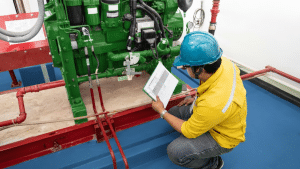
Routine maintenance ensures systems remain reliable, compliant, and ready to quickly alert occupants when fire risks arise during emergencies anywhere.
1. Inspections Every Month
Monthly checks focus on basic functionality and visible conditions. Indicators, control panels, and power lights are reviewed to confirm normal operation.
Smoke and heat detectors are visually inspected for dust, damage, or obstruction that could affect sensitivity. Manual pull stations are checked to ensure accessibility and intact seals.
Audible and visual alert devices are checked for physical issues such as cracks or loose mounting. Backup batteries are inspected for corrosion, proper connections, and charge status.
2. Quarterly Fire Alarm Maintenance Procedures
Quarterly service involves deeper testing and performance verification of critical devices. Detectors are functionally tested using approved methods to confirm proper response times and signal transmission.
Control equipment is examined for error codes, software alerts, and communication faults.
Wiring connections are checked for wear, corrosion, or loose terminations. Records are updated with test results, repairs, and parts replaced.
3. Annual Fire Alarm Maintenance Requirements
Yearly servicing provides a comprehensive evaluation of the entire system under real operating conditions.
All initiating devices are tested to confirm accurate detection and correct identification at the control panel. Alarm signals are verified for proper sequencing, audibility, and visibility across all zones.
Backup power supplies are fully tested, including battery capacity and transfer during simulated power loss. Control panels are inspected for firmware updates, logs, and overall integrity.
Why Fire Alarm Maintenance Records Matter?
Fire alarm maintenance record-keeping plays an important role in ensuring system reliability, safety compliance, and accountability.
Accurate records document inspections, testing dates, repairs, battery replacements, and system updates.
These logs help confirm that required checks are completed on schedule and provide proof during audits or inspections by authorities.
Clear documentation also helps identify recurring issues, aging components, or patterns that may indicate deeper system problems.
Maintenance records support faster troubleshooting by documenting past faults and corrective actions.
They are useful for building owners, facility managers, and service providers when planning future servicing or upgrades.
How to Maintain Fire Alarm Systems Effectively?
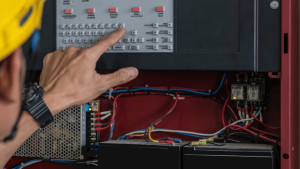
Maintaining fire alarm systems effectively starts with routine inspections and clear responsibility.
Systems should be checked regularly to confirm that alarms sound properly, lights activate, and control panels show no faults.
Detectors must remain clean and free of dust, paint, or obstructions to ensure accurate sensing. Battery backups need testing and timely replacement, even when hardwired power is present.
Documentation plays a key role, as service logs help track issues and prove compliance. Trained professionals should handle annual testing and any repairs to avoid system errors.
Staff awareness also matters, since knowing how alarms function reduces accidental damage or neglect.
Common Fire Alarm Maintenance Issues and Solutions
Frequent problems can affect system performance, but timely solutions help maintain reliability, reduce false alerts, and support safe building operations.
- False Alarms: adjust detector sensitivity, clean dust buildup, replace faulty sensors, and review device placement to reduce unnecessary activations without compromising detection accuracy.
- Dead or Weak Batteries: replace batteries on schedule, test backup power regularly, and use manufacturer-approved battery types to ensure continuous operation during power outages.
- Dirty Smoke Detectors: clean detectors using approved methods, remove dust or debris, and schedule routine cleaning to maintain proper smoke detection and response.
- Control Panel Fault Codes: review error messages, reset the system if allowed, inspect wiring connections, and contact qualified technicians to address recurring faults safely.
- Disconnected or Damaged Wiring: inspect cables for wear or damage, secure loose connections, replace compromised wiring, and verify signal continuity across the entire system.
Fire Alarm Maintenance Costs and Budgeting
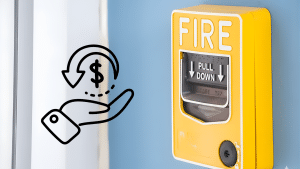
Fire alarm maintenance demands annual inspections priced between $250 and $900 for most commercial setups.
Routine servicing, including battery swaps and sensor tests, runs $200 to $800 each year based on system scale.
Ongoing 24/7 monitoring adds roughly $1,500-$4,000 to total yearly costs. Repairs or upgrades every 7-10 years tack on an additional $500-$2,000.
Savvy budgeting involves multi-year contracts for savings and stocking spare parts, such as detectors. Bundling with installers reduces costs while maintaining compliance.
Small buildings target the low end, but expansive ones brace for spending peaks.
Upgrading and Modernizing Fire Alarm Systems
Upgrading and modernizing fire alarm systems helps improve reliability, response time, and overall building safety.
Older systems may lack advanced detection features, clear alerts, or integration with other safety systems.
Modern fire alarms use improved sensors, smarter control panels, and wireless options to reduce installation challenges and false alarms.
Many updated systems also support remote monitoring, faster emergency notifications, and better compliance with current safety codes.
Upgrades can include replacing outdated detectors, adding voice evacuation systems, or improving battery backup performance.
Modernization also supports easier testing, clearer fault reporting, and stronger coverage in large or complex buildings.
Conclusion
By now, you have a fair idea about how a fire alarm system works, why routine checks matter, and what can go wrong without proper care.
I hope this blog post helped clarify inspections, testing schedules, and common issues so safety never feels confusing or overwhelming.
When systems stay up to date, and problems are fixed on time, buildings stay prepared, and people stay protected.
Taking these steps seriously and treating upkeep as an ongoing responsibility rather than a one-time task.
Fire alarm maintenance plays a vital role in ensuring alerts are reliable and response times are quick during emergencies.
Staying informed makes smarter decisions easier and reduces risk in everyday spaces.
If this blog helped you understand things better, share your thoughts, or add insights below. Let’s keep the conversation going. Comment below.