The cost to install a sprinkler system can be a game-changer for your property, no matter if you’re taking care of a lush lawn or managing larger commercial spaces.
It ensures consistent watering, saves time, and improves the overall appearance of your landscape.
But one of the most common questions when considering a sprinkler system is, “How much will it cost?”
I will break down the typical costs involved in installing a sprinkler system, from the price per square foot to the costs based on the number of zones.
By the end, you’ll have a clear picture of what to expect and how to plan your budget.
Even if you’re upgrading your residential garden or installing a system for a commercial property.
Knowing the costs upfront will help you make informed decisions without surprises. Let’s get started!
What is a Sprinkler System?
A sprinkler system is a network of pipes, valves, and sprinkler heads that automatically waters your lawn, garden, or landscape.
It provides even water coverage, ensuring plants receive the right amount of hydration without wasting water.
Sprinkler systems can be controlled by timers that automatically turn them on and off, or by smart controllers that can be managed remotely.
They are invaluable for large areas where hand watering would be time-consuming and inefficient.
There are different types of systems available, such as in-ground and above-ground sprinklers and drip irrigation, each suited to specific needs and environments.
Types of Sprinkler Systems
There are several types of sprinkler systems, each designed to meet specific needs and provide efficient irrigation.
- In-ground Sprinklers: These are installed underground and pop up when activated. Ideal for large lawns, providing even water distribution.
- Above-ground Sprinklers: Portable and easy to set up. Best for smaller areas and targeted watering.
- Drip Irrigation Systems: Delivers water directly to plant roots, minimizing water waste and ensuring efficient hydration, especially for gardens.
- Smart Sprinklers: Equipped with sensors and Wi-Fi, these systems adjust watering schedules based on weather conditions, offering a more water-efficient solution.
Each type offers unique benefits depending on the landscape and watering needs. Choosing the right system depends on factors such as yard size and water usage.
Complete Cost to Install a Sprinkler System
The cost to install a sprinkler system can vary based on several factors,
Such as the size of your property, the type of system you choose, and the complexity of the installation.
On average, homeowners can expect to pay between $2,500 and $4,500 for a standard residential system.
The price typically ranges from $0.50 to $1.50 per square foot, while each zone can cost anywhere from $500 to $1,000.
Here’s a general breakdown of costs based on property size:
- Small Yard (1/4 acrYard) $2,500 – $3,000
- Medium Yard (1/2 acrYard) $3,500 – $4,500
- Large Yard (1+ acre) 5,000 – $8,000
The total cost will depend on the number of zones needed, the layout of your Yard, and anyYarditional features like smart controllers or rain sensors.
Understanding these costs can help you plan your budget and decide if you want to do the installation yourself or hire a professional.
Factors Influencing Sprinkler Installation Costs
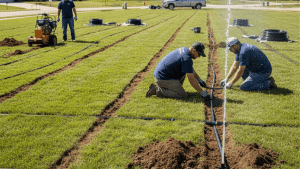
These factors range from yard size to the type of system you choose, and understanding them will help you estimate the installation cost more accurately.
1. Yard Size and Layout
Larger yards naturally incur higher costs. Oddly shaped yards, slopes, or areas with obstacles like trees complicate the installation, requiring more labor.
The more complex the layout, the more time-consuming and costly the project becomes.
A larger property also requires more sprinkler heads, additional piping, and zones, all of which raise the price.
2. System Type
The type of sprinkler system you choose significantly affects the installation cost. Traditional in-ground systems are typically the most affordable.
However, options like drip irrigation systems or smart/WiFi-enabled sprinklers can add $200 to $500 to your costs.
Although these systems are more expensive upfront, they offer long-term benefits.
3. Soil Conditions
If your soil is hard, rocky, or clay-filled, it will require additional labor and specialized tools to install the sprinkler system.
In such cases, extra equipment or contractors may be needed to break through the tough soil.
In some cases, contractors may need to dig deeper or use different methods, which can add to the overall expense.
4. Water Source and Pressure
The source and water pressure available on your property also affect installation costs.
If you use a well as a water source, you might need a booster pump ($300-$800) to maintain proper pressure.
Proper water pressure is essential for an efficient system so that these adjustments can raise prices.
5. Local Labor Rates
The cost to install a sprinkler system can vary significantly depending on where you live.
In urban areas, where the cost of living is higher, labor rates are typically higher, ranging from $50 to $100 per hour.
It’s essential to get quotes from multiple contractors in your area to understand the local labor costs.
6. Additional Features
Additional features like rain sensors, moisture sensors, or advanced smart controllers with weather integration can increase your initial investment.
Moisture sensors ($100-$300) monitor soil moisture to prevent overwatering.
These features increase the total cost but also contribute to water conservation and make the system more efficient.
Breakdown of Sprinkler System Installation Costs
When it comes to the cost to install a sprinkler system, it’s essential to understand what’s included in the final price. This is a breakdown of key components:
- Sprinkler Heads ($3-$30 each): The cost of sprinkler heads varies based on the type and quality, affecting your total cost.
- Control/Timer System ($50-$500): A control system regulates watering schedules. High-tech models add to the cost.
- Valves and Manifolds ($15-$100 per zone): These components control the water flow for each zone in your system.
- PVC Pipes and Fittings: The cost depends on your Yard’s size aYard’sout, making it a variable expense.
- Backflow Preventer ($150-$500): Required to prevent contamination of your water supply, this can increase costs but is essential for health and safety.
- Wiring and Connectors: These are needed to connect the control system to the sprinkler valves.
Additionally, labor costs typically make up 50-70% of the total installation cost, with permits and inspections adding another $50-$200.
Sprinkler Installation Cost by Yard Size
The cost of installing a sprinkler system depends on the number of zones required. More zones increase the overall cost. This is the breakdown:
- 3-4 Zones: Small yards (up to 5,000 sq ft) typically cost $1,500 to $3,000. These yards need fewer zones and are easier to install.
- 4-6 Zones: Medium yards (5,000-10,000 sq ft) range from $2,500 to $5,000. More zones provide better coverage for areas such as lawns and flower beds.
- 6-8 Zones: Large yards (10,000-20,000 sq ft) cost between $5,000 to $8,000. Multiple zones help distribute water more efficiently over larger areas.
- 8-10 Zones: Extra-large properties (1+ acre) typically cost $8,000 to $12,000. Additional zones ensure coverage across larger and more complex landscapes.
- 10+ Zones: For complex, large properties, costs range from $12,000 to $15,000. More zones are required for properties with varied watering needs.
DIY vs. Professional Installation
Choosing between DIY and professional installation depends on your budget, time, and expertise. This is a comparison of the two options:
| Factor | DIY Installation | Professional Installation |
|---|---|---|
| Material Cost | $500 to $2,000 based on yard size and system type | Included in the installation quote |
| Time Required | 20 to 40 plus hours for planning and setup | Usually completed in 1 to 2 days |
| Skill Level | Requires basic plumbing and layout planning | No technical skills needed from the homeowner |
| Risk of Mistakes | Higher risk of leaks, zoning errors, or pressure issues | Low risk due to trained installers |
| System Performance | Depends on installation accuracy | Designed for efficient and even coverage |
| Design Support | Optional professional design for $200 to $500 | Included as part of the service |
| Future Maintenance | Repairs may be needed sooner | Fewer issues over time |
Unexpected Costs of Sprinkler System Installation
While installation costs are the primary concern, there are additional hidden expenses that can add up over time. This is a breakdown of what to expect.
- Landscaping Repair: After Trenching ($200-$800). Digging trenches for pipes can damage existing landscaping.
- Upgrading Water Meters: If your water system isn’t up to standard, you might need to upgrade it, which can cost several hundred dollars.
- Winterization Services: In cold climates, winterizing your system is essential to prevent pipe freezing. It costs around ($50-$150 annually).
- Ongoing Maintenance Costs: Annual maintenance, including checks, cleaning, and repairs, adds to the cost. It costs around ($100-$300/year).
- Water Bill Increases: While a sprinkler system is efficient, it will raise your water bill during the watering season. It costs around ($30-$50/month).
Sprinkler System Installation Worth the Cost?
The cost to install a sprinkler system might seem high at first, but it pays off in several ways. While water savings from a sprinkler system might be minimal, the time savings are significant.
No more manually watering your lawn or garden.
The increase in property value can range from $1,000 to $3,000, depending on your area. Additionally, a healthy, well-maintained lawn can enhance curb appeal.
Over time, the investment will break even with the convenience and improvements to your property.
Tips to Save Money Without Sacrificing Quality
Saving on sprinkler system installation doesn’t have to mean cutting corners on quality. These are some practical ways to reduce costs:
- Off-Season Discounts: Install in fall or winter when contractors are less busy, and discounts are more likely.
- DIY Landscaping Prep: Save on landscaping costs by handling prep and cleanup yourself.
- Start with Essential Zones: Focus on the most crucial zones first, and expand later as your budget allows.
- Get Multiple Estimates: Gather at least three estimates, each with a detailed breakdown of labor, materials, and any additional charges.
- Take Advantage of Rebates: Some local utilities offer rebates for water-saving systems or smart controllers, which can help lower costs.
Conclusion
The cost to install a sprinkler system varies based on yard size, system type, and local conditions, but understanding these factors helps you plan with confidence.
A well-installed system offers long-term value by saving time, improving lawn health, and maintaining consistent watering without daily effort.
It can also support better landscape upkeep and make property maintenance more convenient.
Comparing multiple estimates, reviewing system details, and understanding zone requirements can help you make smarter decisions.
Taking the time to evaluate your options ensures you choose a system that fits your needs and budget.
If you have questions or personal experience with sprinkler system installation, feel free to share your thoughts below.