In today’s world, ensuring the safety of your home is a top priority.
Many homeowners are turning to security cameras for peace of mind, but one common concern is the security camera installation cost.
The price of setting up a security system can vary greatly, depending on factors like the type of cameras, the number of cameras needed, and whether you opt for a DIY approach or hire a professional.
Understanding these costs is crucial in making the right decision for your home and budget.
In this blog, I’ll break down the different aspects that influence security camera installation cost.
From affordable DIY setups to more complex professional installations, we’ll help you navigate your options and offer tips on how to get the most value for your money without compromising on safety.
Is Security Camera Installation Worth the Cost?
The cost of installing security cameras may seem high, but it’s worth it. They protect your home and family, giving you peace of mind.
You won’t worry about break-ins, thefts, or other dangers.
You can check on your home from your phone when you’re away. Cameras are also great for your Home Improvement goals.
They can increase your home’s value, which is helpful if you plan to sell.
With security cameras, you don’t have to stress about your family. You can watch your kids or check the backyard from anywhere.
In the long run, cameras protect your home today and make it safer for the future.
The peace of mind they provide is worth the cost
What is the Average Security Camera Installation Cost?
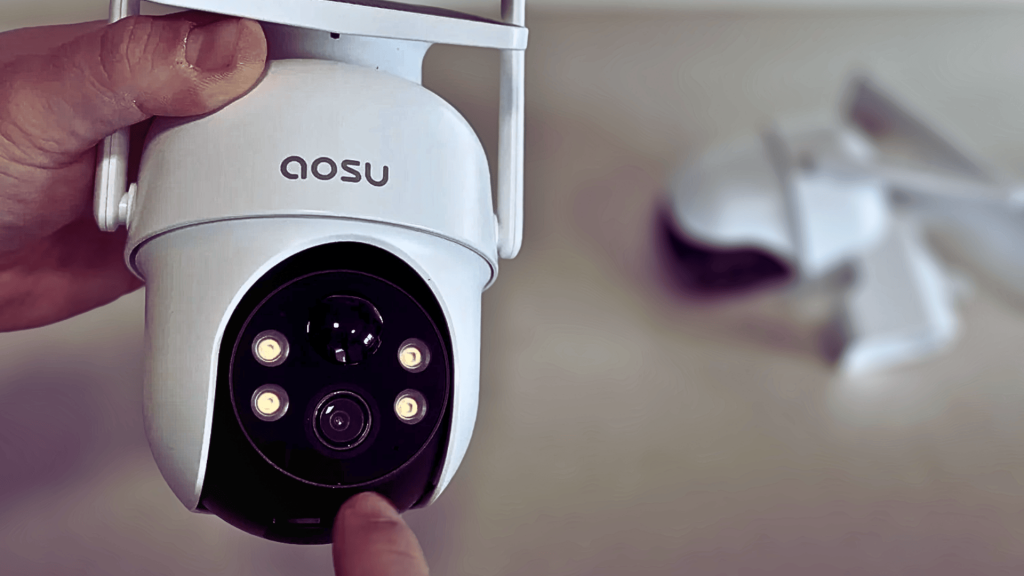
When it comes to installing security cameras, the cost can vary depending on several factors. Let’s see the typical costs you can expect, and what affects the price.
1. Basic Setup
For smaller homes or apartments, a basic security camera system with just a few cameras is typically sufficient.
The camera ranges from $50 to $250, and the installation cost can range from $100 to $500. Overall, the total cost falls between $200 and $1,000.
This basic setup usually includes 2-4 PoE (Power over Ethernet) cameras, which are affordable and easy to install.
Ideal for those needing simple security without advanced features.
2. Mid-Range Setup
For larger homes or family residences, a mid-range system offers more coverage.
The camera typically ranges from $100 to $400, with installation costs between $500 and $1,000. The total installation cost generally falls between $1,000 and $3,500.
This setup usually includes 4-8 cameras with features like motion detection or night vision.
A mix of wired and wireless cameras might also be used to suit your security needs best.
3. High-End Setup
For large properties or commercial spaces, a high-end security camera system is required.
Cameras in this setup typically cost between $200 and $500 each, with installation fees ranging from $1,500 to $3,000. The total cost for this type of system can range from $3,000 to $10,000.
This setup typically includes 8-16 cameras and advanced features like PTZ (pan-tilt-zoom) cameras, 360-degree outdoor cameras, or cameras built for extreme weather.
Professional installation ensures proper placement and functionality.
Types of Security Cameras
The type of security camera you choose significantly impacts your overall cost.
This is the comparison of the most common types, including their price ranges, features, and installation considerations.
| Camera Type | Cost per Camera | Features | Installation Considerations |
|---|---|---|---|
| Wired Cameras | $100 – $300 | Reliable, no Wi-Fi issues, permanent | Time-consuming, requires hiding wires inside walls |
| Wireless Cameras | $50 – $250 | Easy setup, flexible, remote control | Performance impacted by Wi-Fi strength, longer setup time |
| CCTV Cameras | $50 – $200 | Ideal for businesses, it requires more storage | May need extra storage, often requires professional setup |
| IP Cameras | $100 – $400 | Remote access, cloud storage, high quality | Requires additional setup for cloud and remote access |
What Affects Your Security Camera Installation Cost?
The cost of installing security cameras isn’t just about buying the cameras themselves. Several factors can change the price. Here’s a breakdown of what influences the cost:
1. Number of Cameras
The number of cameras required is one of the most significant factors in determining the overall cost.
Larger homes, commercial properties, or areas with many entry points will need more cameras, which increases both equipment and installation costs.
Additionally, the type of cameras chosen can impact the price, as high-resolution or advanced cameras may cost more.
The more coverage you need, the higher the overall installation cost will be. It’s important to evaluate your security needs based on your property’s size.
2. Installation Complexity
The complexity of installation also plays a crucial role in the final price.
Simple installations, such as adding cameras to a single-story home, are typically more affordable.
So, if you’re installing cameras on a larger or multi-level property, or in hard-to-reach spots, the job may require more effort and specialized equipment.
Complex wiring setups, such as running cables through walls or ceilings, can further increase installation costs due to the extra labor involved in ensuring a secure and functional system.
3. Storage Options
Storage options for your security footage significantly impact the total cost of the installation.
DVR (Digital Video Recorder) and NVR (Network Video Recorder) systems have one-time setup costs for local storage.
But they often come with limited storage capacity, which might need to be expanded over time. Alternatively, cloud storage provides remote access and scalability but comes with ongoing monthly or yearly fees.
Depending on the volume of footage you need to store, these ongoing costs can add up, making cloud storage a more expensive long-term option.
4. Location and Coverage Area
The location and coverage area of your security cameras are critical factors in installation costs.
For a large property, you’ll need more cameras to ensure complete surveillance coverage, which increases both the number of cameras and labor costs.
Hard-to-reach areas, such as high ceilings, corners, or external locations like garages and driveways, may require specialized equipment, scaffolding, or ladders.
These areas often come with higher labor charges due to the extra time and difficulty involved in setting up cameras in such spots.
5. Labor Costs
Labor is one of the most significant factors in determining the final price of your security camera installation.
While some DIY systems are available, hiring skilled professionals ensures a seamless and secure setup.
Experienced installers may charge higher fees, but they bring expertise to ensure cameras are positioned properly, the system works efficiently, and wiring is safely managed.
More intricate installations or custom configurations, like integrating the system with home automation, can raise labor costs due to the additional time and troubleshooting required.
Cost Breakdown: DIY vs Professional Installation
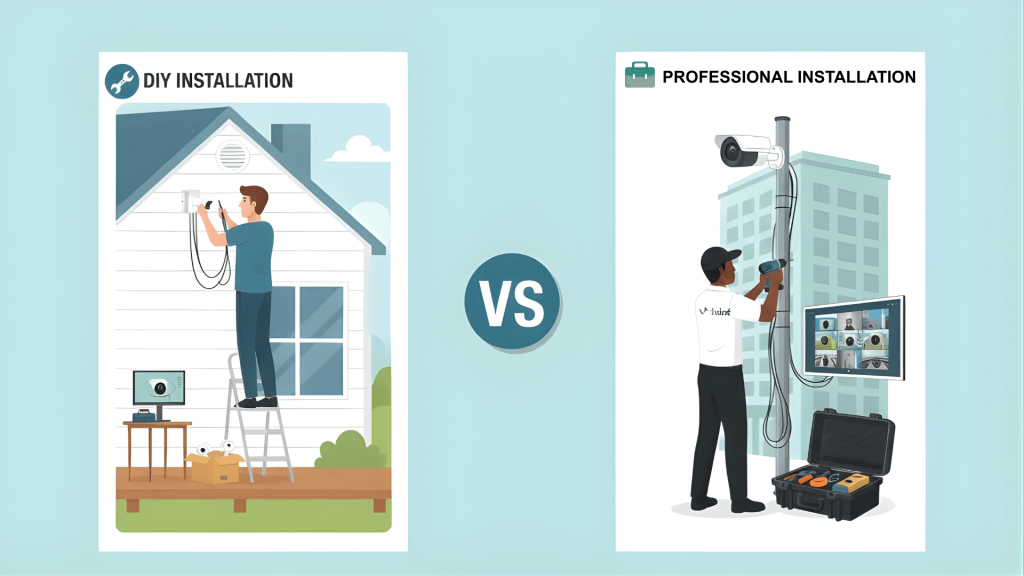
When deciding between DIY and professional installation for your security cameras, cost is a major factor.
A DIY installation can save you money since you’re only paying for the equipment and potentially some basic tools.
The total cost for DIY setups typically ranges from $200 to $1,000, depending on the number of cameras and features.
It’s a great option for those with a limited budget and basic tech skills.
On the other hand, professional installation ensures that everything is properly set up, with cameras positioned for optimal coverage and wired securely.
The cost for professional services usually starts at $500 and can go up to $3,500 or more, depending on the complexity of the installation and the number of cameras.
Though more expensive, professional installation offers peace of mind and ensures your system functions correctly from day one.
Important Features to Upgrade Your Home Security
Adding advanced features to your security system can enhance performance and convenience, but may also raise installation costs. Make sure to balance the benefits with your budget.
- Night Vision: Enables monitoring in low-light or dark conditions. Advanced technology can increase the cost, especially in premium models.
- Motion Detection: Sends alerts when movement is detected, reducing the need to review footage manually.
- Two-Way Audio: Allows communication with visitors or intruders. Enhances the versatility of the camera system, though it raises the cost.
- AI and Smart Features: AI-based capabilities can differentiate between people, animals, and other movements, providing more accurate alerts. These cutting-edge features come at a higher cost.
- Cloud Storage: Some systems offer cloud storage for footage, providing remote access and ensuring data backup.
These additional features improve the performance and versatility of your security system, but they also increase installation costs. Always weigh the benefits against your budget.
Wired vs Wireless Installation Costs
When choosing a security camera system, understanding the cost, setup, and long-term use differences between wired and wireless options helps you select the best fit for your budget.
| Factor | Wired Security Cameras | Wireless Security Cameras |
|---|---|---|
| Cost per Camera | $100 – $500 | $50 – $250 |
| Installation Cost | $100 – $300 (higher labor costs) | $50 – $200 (lower labor costs) |
| Setup | More complex (needs wiring) | Easier (plug and play) |
| Reliability | More reliable, no Wi-Fi issues | Can be affected by Wi-Fi strength |
| Maintenance | Lower maintenance | Needs occasional battery or Wi-Fi checks |
Security Camera Installation Costs by Region
Security camera installation costs vary by region and system complexity, with the provided facts generally accurate but often on the higher end for premium setups.
- North America: Costs for security camera installations range from $1,000 to $3,500 for mid-to-high systems, with basic setups starting at $200 to $1,000, depending on complexity and area.
- Europe: Installation costs typically range from $800 to $3,000, with the UK averaging $450 to $2,500. Eastern Europe offers more affordable options, especially for basic systems
- Asia-Pacific: Basic systems range from $200 to $1,000, while advanced setups can cost up to $3,000-$5,000, depending on the country and system features
- Middle East: Costs range from $1,000 to $4,000, with basic systems in the UAE typically between $550 and $2,200, while premium setups can be more expensive.
- Africa: Installation costs range from $500 to $2,000, with South Africa’s basic systems costing $190 to $650. Mid-tier options align with the regional average pricing.
These figures reflect the general trends across different regions but can vary based on local labor costs, system types, and the complexity of installation. Prices may vary based on local labor rates and system brands.
Always consider the specific needs of your property and budget when evaluating installation costs.
Money-Saving Tips for Security Camera Installation
To save on security camera installation costs, consider DIY options and shop around for discounts. Planning and comparing deals can help you get the best value.
- Buy Camera Sets: Buying a bundle of cameras is often cheaper than buying them separately. You’ll get more cameras for less money.
- Use DVR Storage: Instead of paying for cloud storage, choose DVR systems for local storage. They have a one-time cost, while cloud storage has ongoing fees.
- Shop for Sales: Keep an eye out for sales, rebates, or promotional offers from manufacturers to find discounts on security systems.
- Compare Deals: Take the time to research and compare offers from different retailers to ensure you’re getting the best deal possible for your budget.
Conclusion
Considering the security camera installation cost, understanding the various camera types and their associated costs is essential.
No matter if you prefer the reliability of wired cameras, the flexibility of wireless systems, or the advanced features of IP and CCTV cameras, there’s an option that balances both cost and performance.
Each type has its advantages, and your decision should depend on factors like installation requirements, security needs, and budget.
By weighing these factors, you’ll ensure you’re making the best investment for your property.
Have any questions or thoughts? Leave a comment below, and feel free to share your experiences with security camera installations.
We’d love to hear from you! If you’re ready to upgrade your security.
Frequently Asked Questions
Can Security Cameras Reduce Home Insurance Costs?
Yes, many insurance providers offer discounts for homes with security cameras, as they reduce the risk of theft or damage.
Do Security Cameras Need Monthly Fees?
Some security cameras don’t require monthly fees, while others need subscriptions for cloud storage or advanced features like motion detection alerts.
How Long Do Security Cameras Usually Last?
Security cameras generally last 5-10 years, depending on quality, maintenance, and environmental factors. Regular upkeep can extend their lifespan.