Security needs have changed, and traditional keys often fail to provide reliable access control for homes and businesses.
Lost keys, copied spares, and shared entry can quickly weaken door security and create unwanted risks.
A door code lock addresses these issues by replacing physical keys with controlled, code-based access.
Entry becomes easier to manage while limiting unauthorized access.
This content explains how a door code lock functions in real-world use, the main types available, and where each option fits best.
It also highlights how code-based entry strengthens access control and which features matter when choosing a system for safer door protection.
By the end, this helps determine whether a door code lock meets the security goals for a home or business.
What is a Door Code Lock?
A door code lock is a keyless entry system that allows a door to be unlocked by entering a numeric code on a keypad instead of using a physical key. Once the correct code is entered, the lock releases and grants access. Many models allow multiple user codes, quick code changes, and temporary access for guests or employees, making them useful for homes, offices, rental properties, and businesses that need flexible access control.
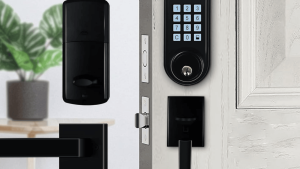
A door code lock is a keyless locking system that uses a numeric code to control entry instead of a physical key.
Access is granted by entering a preset code on a keypad, which unlocks the door when the correct sequence is used.
The code can usually be changed at any time, allowing quick control over who can enter without replacing the lock itself.
A door code system limits access through unique codes, making it easier to manage entry for family members, employees, or guests.
Door code locks are commonly used on front doors, garage entry doors, rental properties, offices, retail stores, and storage areas.
Key Features to Look for in a Door Code Lock
Before choosing a door code lock, reviewing these key features helps ensure the right balance of security, durability, convenience, and access control for everyday use.
1. Build Quality and Durability
Strong construction is essential for long term reliability, especially on doors that are opened and closed frequently.
Metal housings offer greater impact resistance, while reinforced keypads reduce wear from repeated use.
A well-built lock maintains consistent operation and helps protect internal components from damage caused by daily handling and environmental exposure.
2. Code Capacity and Reset Options
Code capacity determines how many users can be granted access simultaneously.
Locks that support multiple user codes allow individual access without sharing a single entry code.
Easy reset options make it simple to update or remove access when household members change, or staff turnover occurs in business settings.
3. Weather Resistance for Exterior Doors
Exterior door installations demand protection against changing outdoor conditions.
Sealed keypads prevent moisture from entering internal components, while rated finishes help reduce damage from heat and prolonged exposure.
These features support consistent performance throughout the year.
4. Battery Life and Power Alerts
Reliable battery life ensures uninterrupted access without frequent maintenance.
Power alerts notify users when battery levels drop, allowing replacement before access is affected.
This feature helps prevent unexpected lockouts and supports smoother daily use.
5. Smart Integration Options
Some door code locks offer connectivity with mobile apps or broader smart home systems, adding an extra layer of control and flexibility.
These integrations enable remote access code updates, real-time monitoring of entry activity, and the management of multiple users without being physically present.
Centralized control is especially useful for homes with several entry points or for businesses managing access across different locations.
How Door Code Locks Improve Security?
With a door code system, entry requires a numeric code that can be changed at any time, keeping access limited to approved users.
Each person can be assigned a unique code, making it easier to manage who can enter a space.
When access is no longer needed, the code can be deleted without replacing the lock or rekeying the door.
Guests, service providers, or employees can receive short-term codes that work for a limited time.
Once the task or visit ends, the code can be removed instantly, keeping the entry restricted.
These models record entry activity, allowing property owners and businesses to review usage patterns and maintain better oversight of door security.
Types of Door Code Locks
Understanding the main types helps in selecting the right option based on usage, convenience, and control requirements.
1. Mechanical keypad locks: These use a manual keypad and function without batteries or electronics. This setup suits basic security needs and high-traffic areas.
2. Electronic keypad locks: These operate on battery power to manage the keypad and locking system. Code updates are simple, making them common in homes and office spaces.
3. Smart door code locks: These connect with mobile apps or smart home systems. They support remote code control, access records, and added management options.
4. Keypad locks with backup key access: These combine code entry with a traditional key option, allowing entry during battery failure or technical issues.
Pros and Cons of Door Code Locks
This comparison highlights the main strengths and limitations of door code locks, helping determine if keyless access fits security needs, usage habits, and maintenance preference
| Pros | Cons |
|---|---|
| No physical keys required | Depends on battery power |
| Easy access control changes | Keypad wear over time |
| Supports multiple user entries | Higher cost than basic locks |
| Useful for homes and businesses | Not ideal for manual lock users |
Are Door Code Locks Worth It?
Door code locks are worth considering for users who want better access control and easier entry management than traditional locks provide.
While the initial cost is usually higher than that of standard keyed locks, long-term savings come from avoiding rekeying, replacing lost keys, or replacing entire lock systems.
These locks offer strong security value by allowing quick access updates and controlled entry for multiple users.
They are a smart investment for homes with frequent visitors, rental properties, offices, and businesses that need flexible and reliable door security.
Tips for Choosing the Right Door Code Lock
Choosing the right door code lock starts with understanding how and where it will be used. The right balance of security, convenience, and durability depends on daily access needs.
- Usage type: Residential spaces need simple access control, while commercial locations require higher durability.
- Access management: Easy code changes suit homes, while tracking features benefit business environments.
- Budget planning: Basic keypad locks cost less, while advanced options offer added control.
- Feature fit: Lock functions should align with daily usage and the number of authorized users.
- Long-term use: Build quality should match the frequency of door use.
Conclusion
Door codes provide a reliable security option for both homes and businesses by enabling controlled access without the risks associated with physical keys.
They support easier entry management, flexible user control, and added convenience for daily use.
From residential doors to commercial spaces, door codes help maintain security while simplifying access changes.
Choosing the right model depends on usage needs, budget, and required features.
With the right setup, door codes deliver long-term value, improved safety, and practical access control for modern door security needs.
When selected based on real needs, door codes provide long-term security value, improved access control, and a practical solution for modern door protection.
Select door codes that align with daily access needs and security goals to maintain reliable control and consistent door protection.
Frequently Asked Questions
Do Door Code Locks Work During Power Outages?
Battery-powered systems continue to operate during power outages, making them reliable even when electricity is unavailable.
What Happens if the Battery Dies?
Most models provide low-power alerts before batteries fail. Many also include backup entry options to prevent lockouts.
Can Door Codes Be Hacked?
Modern keypad locks use secure internal systems to reduce the risk of unauthorized access. Strong code selection and regular code changes improve safety.