Picture this: systems slowing down during peak hours, updates failing silently, users locked out for no clear reason, and the IT team jumping between tools just to figure out what went wrong.
This kind of chaos is common when growing digital workplaces rely on manual processes or scattered solutions. That is exactly where system administration software steps in.
It gives IT teams a structured way to manage systems, users, updates, and performance from a central location, rather than reacting to problems after they occur.
If you are searching for what system administration software is, it usually means you want a clear understanding of what this software does and why it matters in real life.
In this blog, you will learn what system administration software is, how it supports day-to-day IT operations, and how it is used for managing complex digital environments.
What Is System Administration Software?
System administration software is a set of tools designed to help organizations manage, monitor, and control their IT systems from a central platform.
Instead of manually handling servers, networks, user accounts, and updates, this software brings everything together in a more organized and efficient way.
The core idea is simple: reduce manual work, improve system stability, and keep IT environments running smoothly.
It allows teams to track system performance, manage users, apply updates, and respond to issues before they turn into bigger problems.
System administrators rely on it for daily operations, IT teams use it to maintain consistency across systems, and managed service providers depend on it to oversee multiple client environments without losing visibility or control.
Key Functions of System Administration Software
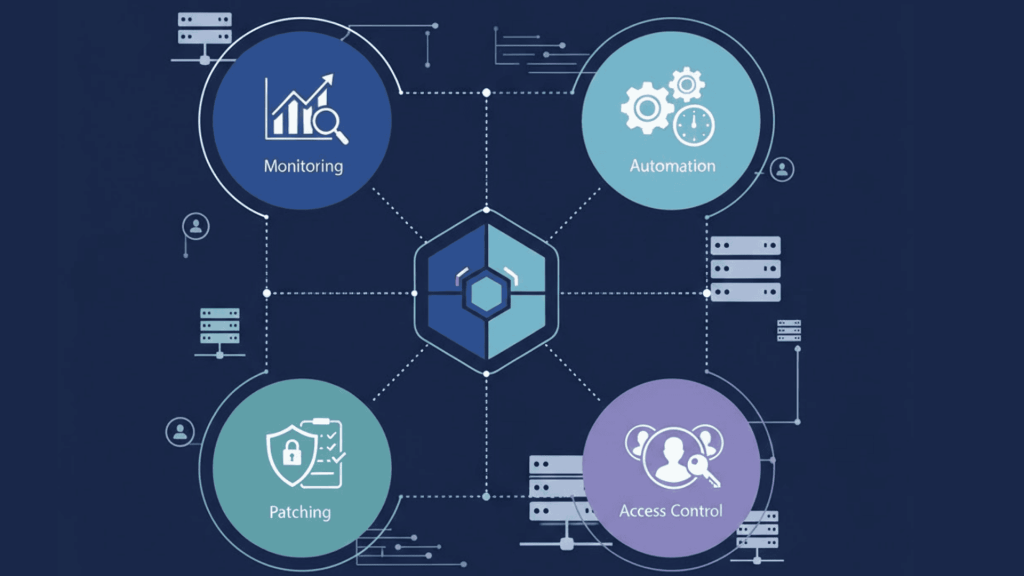
System administration software combines several core functions that help IT teams maintain control and reliability as environments grow consistently over time.
1. System Monitoring
System monitoring focuses on tracking the performance, availability, and health of IT systems in real time.
It helps administrators identify issues like high resource usage, slow response times, or unexpected downtime before users are affected.
Alerts and dashboards make it easier to act quickly, reduce outages, and maintain consistent uptime across all managed systems in larger environments with complex dependencies, shared resources, and visibility.
2. User Management
User management handles how people access systems, applications, and data within an organization.
It allows administrators to create accounts, assign permissions, and enforce role-based access rules. This reduces confusion and prevents unauthorized access to sensitive systems.
By managing permissions in one place, IT teams maintain security, avoid access conflicts as teams grow and business needs change, and keep daily operations running smoothly.
3. Patch Management
Patch management ensures that operating systems, applications, and devices stay up to date with the latest fixes and improvements.
Manually applying updates across many machines is slow and risky. This function automates updates, schedules installations, and confirms successful deployment.
Users are relying on inconsistent manual update processes that, over time, cause delays, errors, and security exposure in production environments.
4. Automation
Automation allows system administrators to handle repetitive tasks through scripts, rules, and scheduled actions.
This reduces workload, improves consistency, and minimizes errors caused by repetitive actions. Automation also ensures tasks happen on time, even outside working hours.
For supporting reliable operations across large, distributed infrastructures daily, without incurring burnout risks over the long term.
5. Reporting
Reporting provides clear insights into system performance, usage, and overall health.
These reports support better decision-making by showing what is working and what needs attention. Reporting also helps with audits, compliance checks, and internal reviews.
With accurate data, teams can confidently justify changes and investments and consistently plan long-term systems across departments and leadership groups.
Why Does System Administration Software Matter?
System administration software solves several everyday IT problems that become harder to manage as systems grow.
- System overload: This software allows admins to manage multiple systems from one place, keeping performance stable and issues visible.
- Human error: Manual configurations and updates often lead to mistakes. Automation and centralized controls reduce the chances of downtime.
- Time wasted: Repetitive tasks such as user setup, updates, and monitoring consume valuable hours. Automation frees IT teams to focus on higher-value work.
- Security risks: Outdated systems create vulnerabilities. System administration software helps keep devices up to date and aligned with security policies.
Popular System Administration Tools
System administration tools are grouped based on the problems they solve. Each includes tools sysadmins rely on daily to manage systems efficiently.
1. Ansible
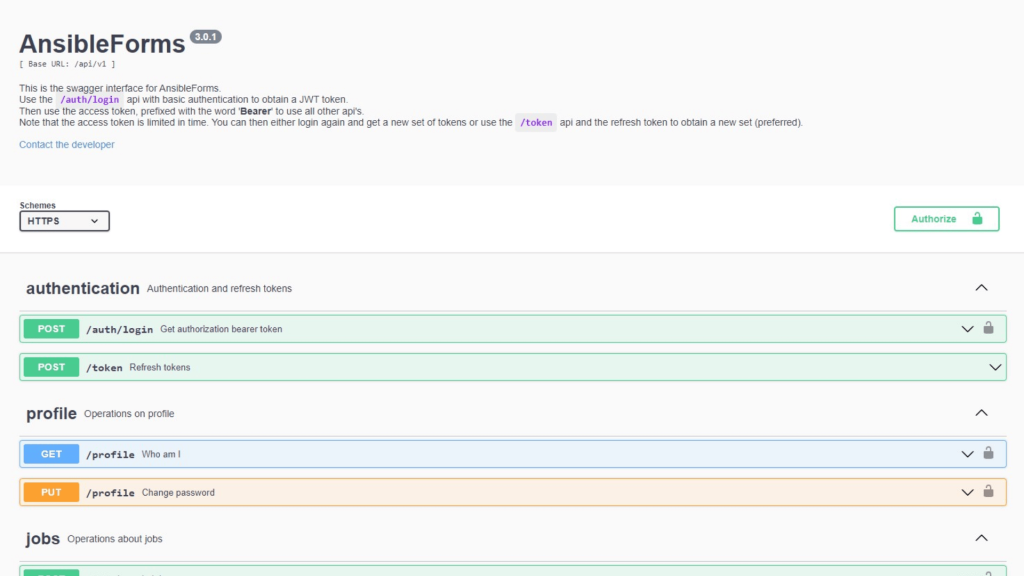
Ansible is a widely used configuration management and automation tool that helps system administrators manage infrastructure efficiently.
It allows admins to define configurations using simple, readable playbooks and does not require agents on managed systems. This makes deployment faster and reduces overhead.
Ansible is commonly used for application deployment, system updates, and infrastructure automation across environments ranging from small to large.
2. Wireshark
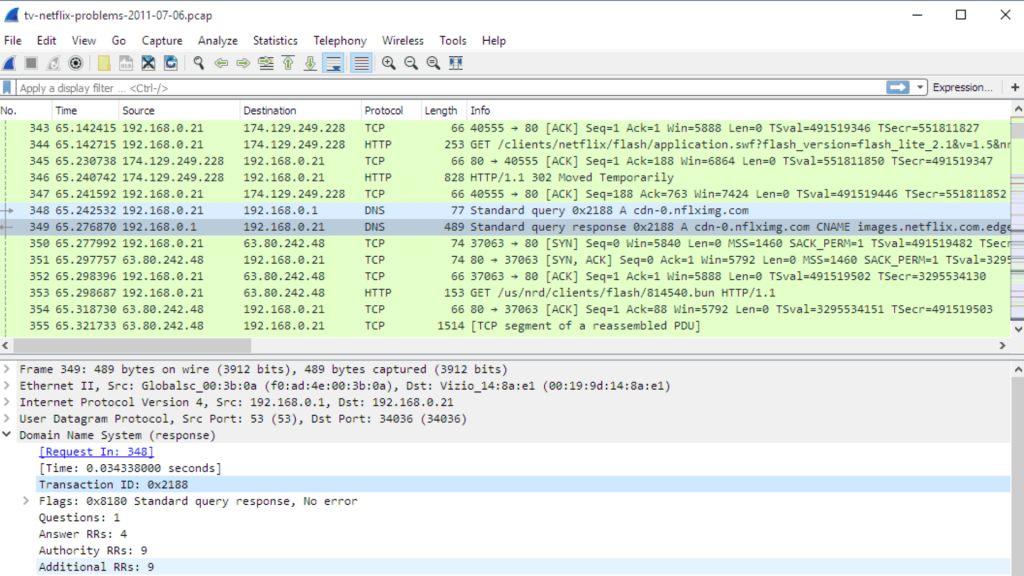
Wireshark is a powerful network packet analyzer used to troubleshoot network issues and analyze traffic behavior.
It captures live network data and allows detailed inspection of packets as they move across the network.
System administrators use Wireshark to identify latency problems, misconfigurations, and suspicious traffic patterns.
It supports major operating systems and offers advanced filtering for precise analysis.
3. SolarWinds RMM
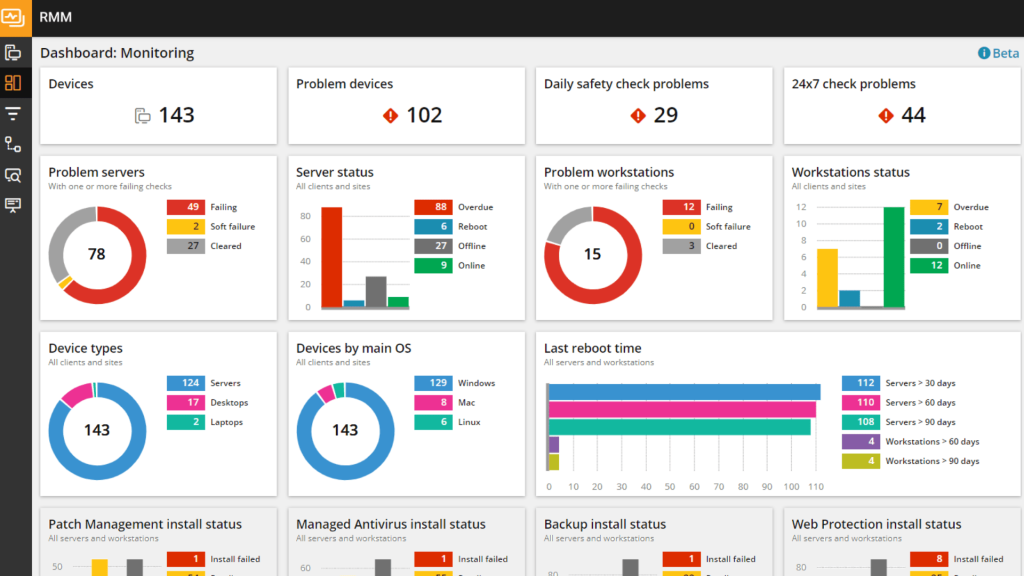
SolarWinds RMM is a remote monitoring and management platform designed to help IT teams proactively monitor system performance and resolve issues.
It provides real-time alerts, remote access, and system health monitoring from a centralized dashboard.
The tool is commonly used by managed service providers and internal IT teams managing multiple endpoints and servers across distributed environments.
4. NinjaOne
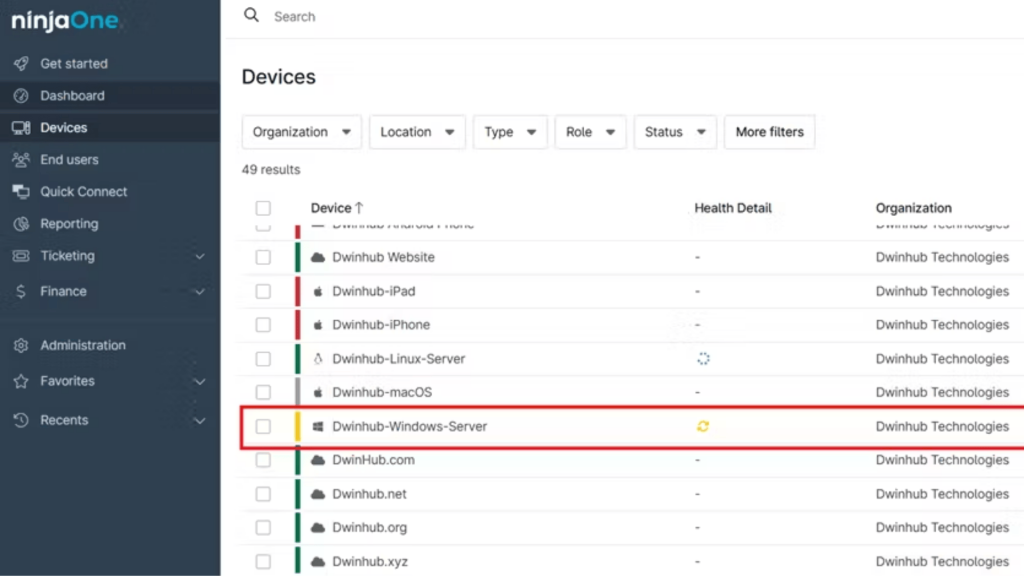
NinjaOne is a cloud-based RMM tool known for its simple interface and quick setup.
It helps sysadmins monitor endpoints, manage patches, and remotely access systems without complex configuration.
NinjaOne is often chosen by teams that want fast deployment and clear visibility into system health.
It works well for both small IT teams and growing organizations managing remote devices.
5. PuTTY
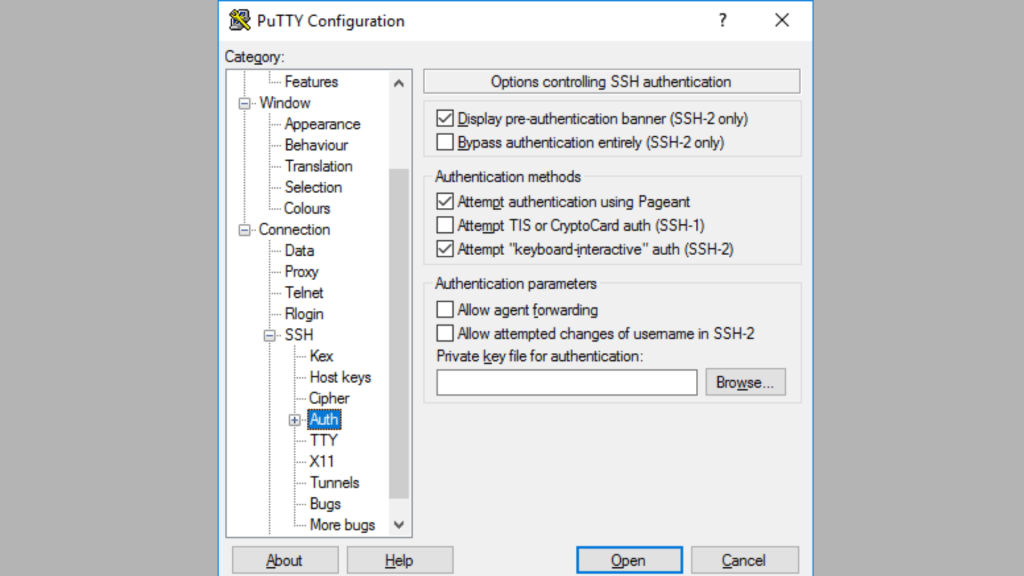
PuTTY is a lightweight SSH and Telnet client used to connect to servers, network devices, and remote systems.
Despite its minimal interface, it is reliable and widely trusted by system administrators.
PuTTY is especially useful for managing Linux servers and network equipment. Its simplicity, stability, and low resource usage make it a daily-use tool for many IT professionals.
6. mRemote Ng
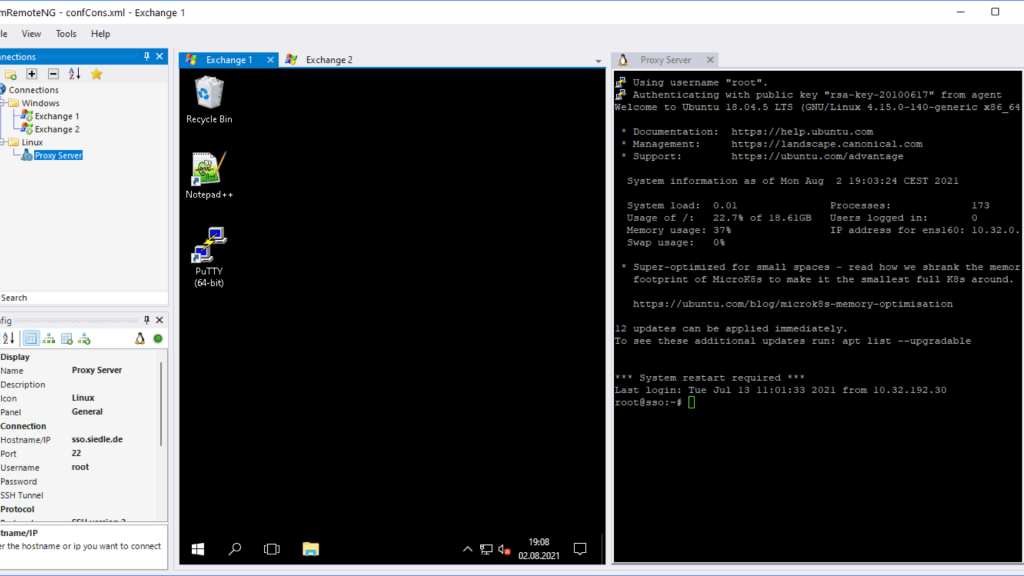
mRemoteNG is a remote connection management tool that supports multiple protocols, including SSH, RDP, VNC, and Telnet.
It uses a tabbed interface that lets sysadmins manage multiple connections in a single window.
This helps reduce clutter and improve workflow efficiency. mRemoteNG is especially useful for admins who work with multiple systems throughout the day.
7. Jira Service Management
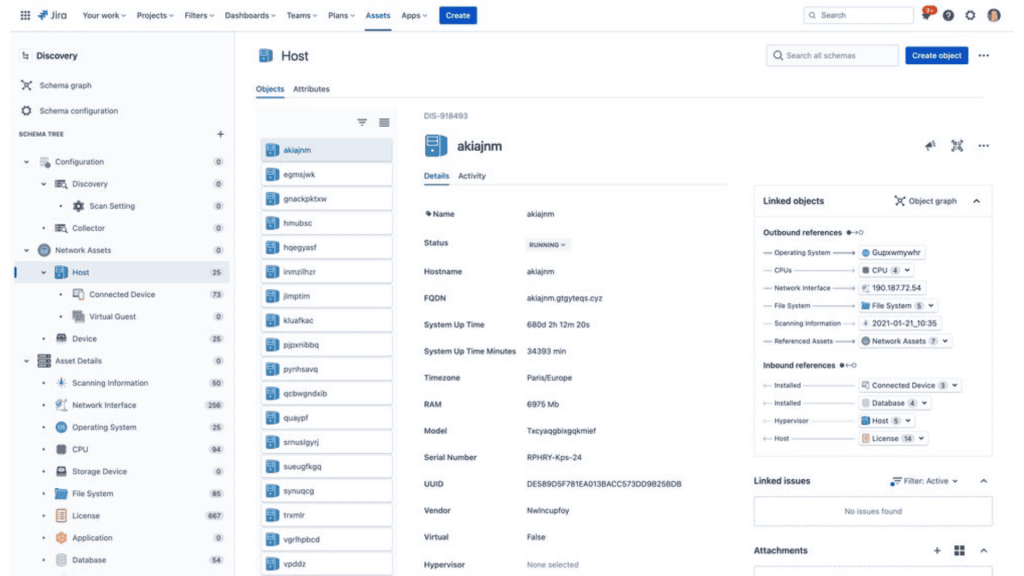
Jira Service Management is an IT service management tool used to handle tickets, incidents, and service requests.
It helps IT teams organize support workflows, track issues, and maintain clear communication with users.
The tool is commonly used in structured IT environments where accountability and process visibility are important. It integrates well with other operational and development tools.
8. Okta
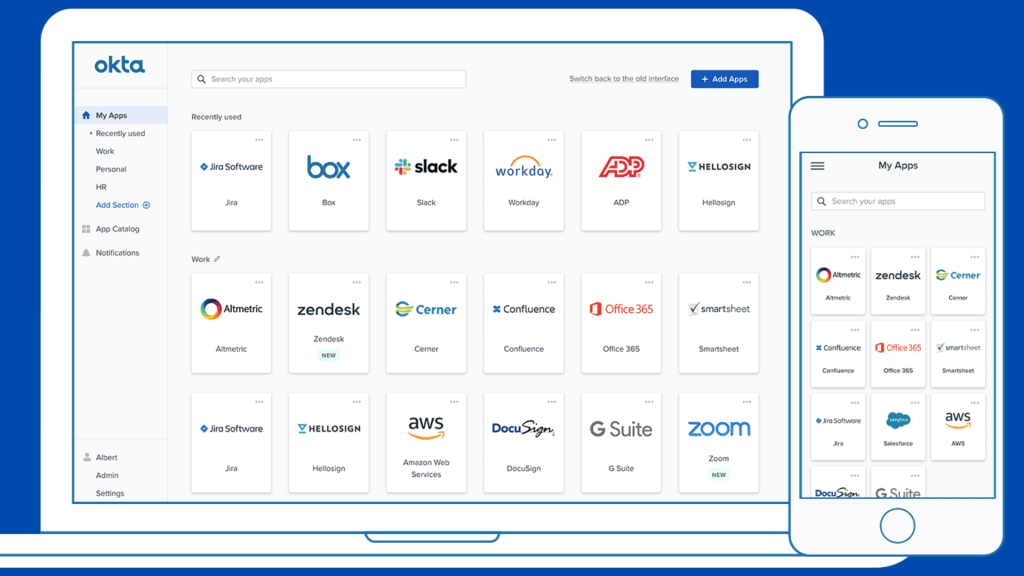
Okta is an identity and access management solution that controls user authentication and permissions across systems and applications.
It helps organizations enforce secure access policies while simplifying the user login experience.
System administrators use Okta to manage identities, support single sign-on, and reduce security risks related to credential misuse. It is widely used in cloud and hybrid IT environments.
Who Uses System Administration Software?
System administration software is useful for a wide range of organizations that depend on stable IT systems.
Small businesses benefit from it because they often have limited IT staff but rapidly growing systems that still need proper management and monitoring.
Midsize companies use it to bring structure and visibility to increasingly complex environments, making daily operations easier to control.
Enterprises rely on system administration software to manage large, distributed systems while meeting security and compliance requirements.
IT service providers also rely on these tools to efficiently monitor, manage, and support multiple client environments from a single platform without sacrificing control or consistency across systems.
Tips for Choosing the Right Software
Choosing the right system administration software requires clarity to avoid unnecessary complexity and long-term operational issues.
- Business size: Choose software that fits your organization’s size. Small teams need simple tools, while larger teams may require advanced and centralized management.
- Ease of use: The software should match your team’s skill level, offering intuitive interfaces and automation that reduce learning time and daily operations.
- Budget and long-term value: Free tools meet basic needs, but paid solutions often offer stronger security and long-term reliability, making the a good investment.
- Integration with existing systems: Ensure the software integrates smoothly with your current tools and infrastructure to prevent workflow disruptions.
- Scalability for future growth: Select a solution that can scale with your infrastructure growth, avoiding the need to replace tools as systems and user counts increase.
Conclusion
System administration software has become an essential part of modern IT management, helping teams maintain stability, security, and efficiency as systems grow more complex.
Once the basics of system administration software are clear, it becomes easier to see that these tools are designed for practical control, not unnecessary technical language.
They help simplify system monitoring, reduce human errors, automate repetitive tasks, and support smarter decision-making for organizations of every size.
Whether managing a small business network or a large enterprise environment, the right solution can make daily operations easier and more reliable.
Have questions or insights about system administration software? Share them in the comments below.