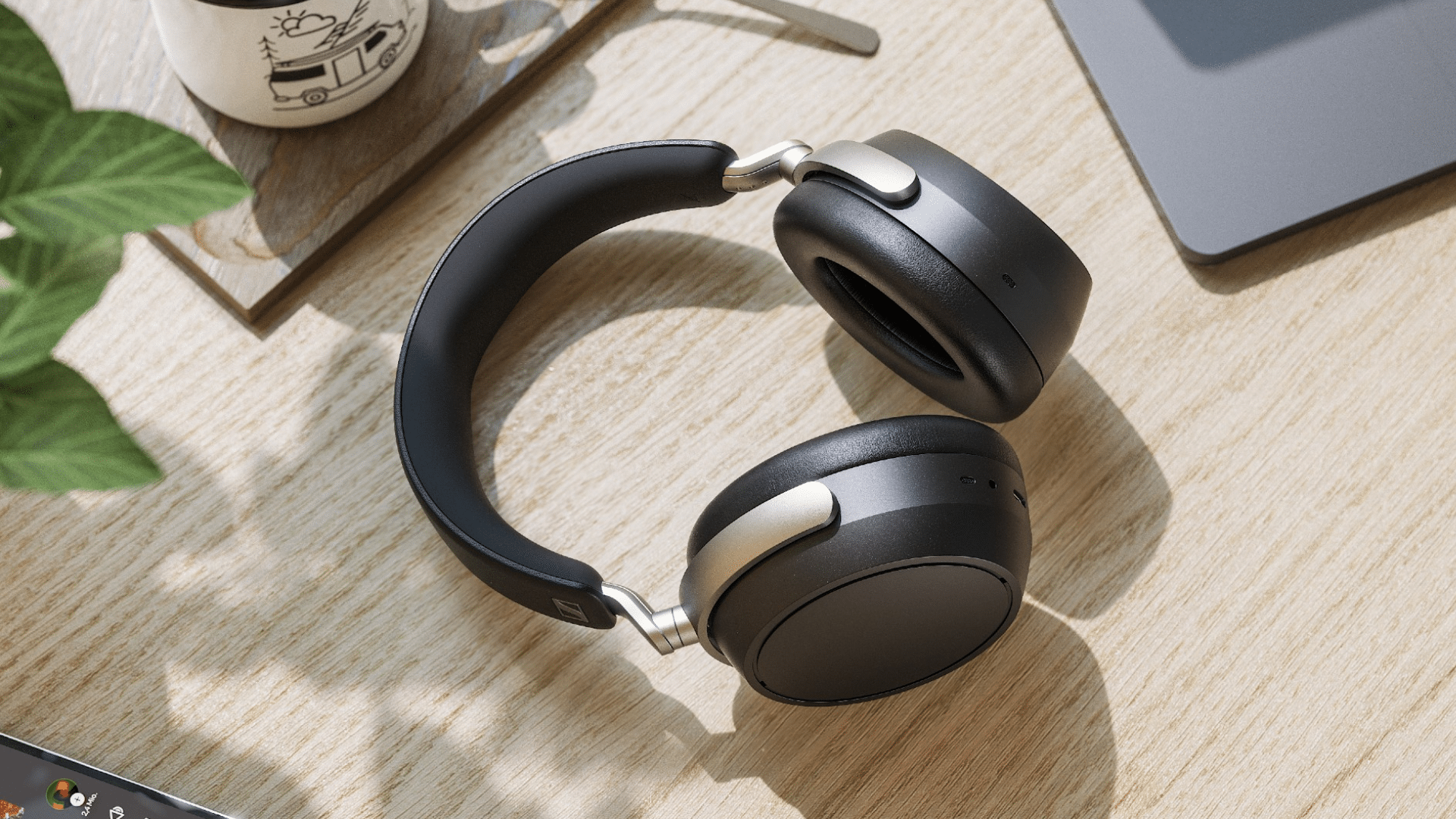
An open-back gaming headset can change how game audio feels during long play sessions. I have seen many gamers talk about sound that feels wider and more natural, instead of closed-in and heavy.
That is where open-back headsets stand out. These headsets use ear cups that let air and sound pass through. This design helps create a more open and realistic sound space while you play.
Gamers often look at open-back headsets when they want clear direction cues and less pressure on their ears. They are popular with players who spend hours in competitive or story-based games.
In this blog, you will learn how these open-back headsets work, what makes them different, and when they make sense for gaming
I will also cover key features, real pros and cons, and how they compare to closed-back options so you can decide what fits your setup.
What Makes Open-Back Headsets Different
Open-back headsets use ear cups with vents or grills that allow air and sound to move freely. This design prevents sound from being trapped inside the cups.
As a result, audio feels wider and more natural compared to closed designs. You can hear game details with better spacing, which helps with direction and depth.
Sound leakage is part of how these headsets work. Audio can be heard by people nearby, and outside noise can reach your ears.
This makes them less suited for loud rooms or shared spaces. These headsets work best in quiet setups where immersion matters more than isolation.
Gamers who value comfort, long sessions, and realistic sound often prefer this style. Closed-back headsets suit players who need noise blocking and privacy during play.
Key Features to Look For Before Buying
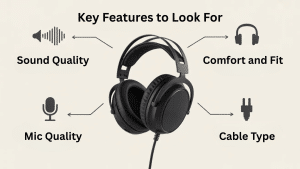
Before choosing the right headset, it helps to understand the key features that affect comfort, sound, and daily use during gaming sessions.
1. Sound Quality Basics
Sound quality matters most for gaming awareness and enjoyment. Look for clear mids and highs so footsteps, voices, and small effects sound easy to pick out.
A wide soundstage helps audio feel spread out, not packed into your head. Bass should stay balanced and not overpower other sounds.
You want clean audio that stays detailed at both low and high volumes. This helps during competitive games and long story sessions without tiring the audio.
2. Comfort and Fit
Comfort decides how long you can wear a headset without pain. Lightweight frames reduce pressure on the head and neck.
Ear pads should feel soft and breathable to avoid heat build-up. Adjustable headbands help get a proper fit for different head sizes.
Clamp force should feel firm but not tight. If you game for hours, comfort becomes just as important as sound quality over time.
3. Mic Quality
Mic quality matters for clear team chat and calls. A good mic should sound natural and avoid picking up background noise.
Voice clarity helps teammates understand you without repeating calls. Some mics include pop filters or noise reduction, which improves speech during fast gameplay.
Detachable or flexible boom mics offer more control over placement. If you stream or play online often, mic quality should never be an afterthought.
4. Build and Cable Type
Build quality affects how long a headset lasts. Solid frames and reinforced joints handle daily use better. Metal parts often last longer than full plastic builds.
Cable type also matters. Detachable cables make storage and replacement easier. Braided cables resist tangling and wear.
Fixed cables can be fine, but are harder to repair. A well-built headset saves money and frustration in the long run.
Best Open-Back Gaming Headset Picks for Serious Gamers
This list covers top open-back gaming headset options, focusing on sound quality, comfort, and features that matter most during long gaming sessions.
1. Sennheiser HD 560S
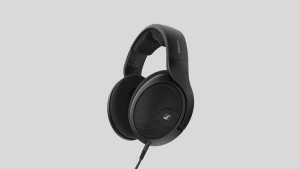
The HD 560S delivers clear and detailed sound that suits gaming well. The soundstage feels wide and natural, which helps with spotting footsteps and gunfire.
The lightweight design keeps it comfortable during long sessions without causing pressure. Build quality feels solid while staying light on the head.
There is no built-in microphone, so an external mic is required for voice chat. The neutral sound profile works well for gamers who want accurate audio without boosted bass or sharp treble.
2. Philips SHP9500
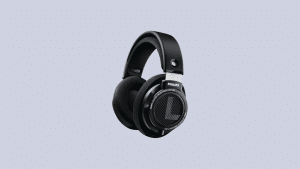
The SHP9500 is a budget-friendly option for open-back audio and remains popular with gamers. Bass stays light and controlled, while mids and highs sound clear and open.
The velour ear pads feel soft and allow airflow, which helps during long gaming sessions. The headband spreads weight evenly and avoids pressure spots.
Sound leakage is noticeable, so quiet rooms work best. Many players pair these headphones with an external mic for clear team communication.
3. Audeze LCD-GX
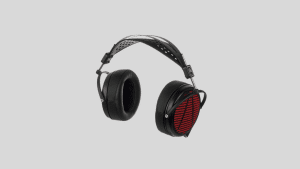
The Audeze LCD-GX brings planar magnetic technology into gaming, delivering high-end sound with deep bass and clear, well-defined highs.
Audio feels powerful and detailed, which helps both immersion and awareness during gameplay. The detachable boom microphone captures voice clearly and works well for team chat and streaming.
These headphones weigh more than most gaming options because of the planar drivers, but the ear cups and headband are designed to spread the weight evenly.
4. Beyerdynamic DT 990 Pro
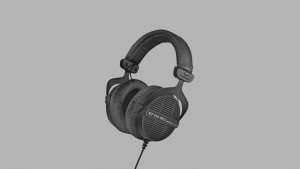
The DT 990 Pro features a V-shaped sound profile with stronger bass and brighter highs. This tuning helps highlight small in-game sounds and adds energy to music.
The build feels sturdy thanks to the metal frame and replaceable parts. Thick velour ear pads provide comfort during long gaming sessions.
The coiled cable may limit movement in certain setups. Higher-impedance versions require an amplifier to achieve proper volume and sound performance.
5. EPOS H6PRO Open
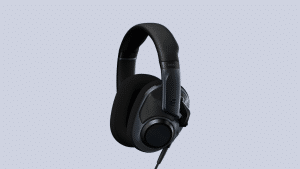
The H6PRO Open is built specifically for gaming and includes a detachable boom microphone. Sound tuning stays balanced with clear mids and enough bass for immersion.
The open-back design creates a wide soundstage, helping with awareness in competitive games. A dial on the headband allows easy adjustment of clamp pressure.
Build quality feels reliable and solid for daily use. The microphone delivers a clear and natural voice quality for team chat and streaming.
6. Philips Fidelio X3
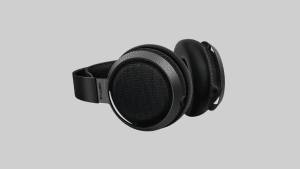
The Philips Fidelio X3 builds on the X2HR by offering more refined sound with better balance across bass, mids, and highs.
Large 50mm drivers deliver rich low-end while keeping game audio clear and easy to follow. Memory foam ear cushions wrapped in velour help maintain comfort during long sessions.
The sound tuning works well for both gaming and music, making this model a good middle ground between high-end features and sensible pricing.
7. Philips Fidelio X2HR
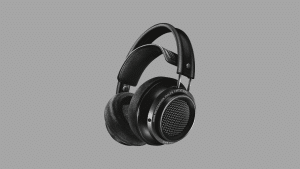
The Philips Fidelio X2HR delivers rich audio with noticeable bass and detailed highs, creating a full and engaging sound for gaming and music.
The wide soundstage adds depth, making games feel more open and layered. Memory foam ear pads and a padded headband provide strong comfort even during long sessions.
Metal and leather materials give the headset a premium feel. Large 50mm drivers produce dynamic sound, while the detachable cable makes replacement simple and practical.
8. AKG K702
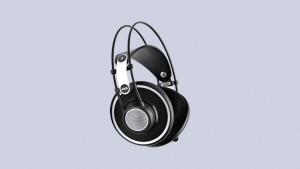
The AKG K702 is known for its wide soundstage, which works well for immersive gaming and detailed audio.
The analytically sound tuning highlights fine details in game audio and soundtracks, making small cues easier to notice.
Comfort remains good for most users, although some prefer extra headband padding. The design looks clean and professional with a flat finish.
9. Beyerdynamic TYGR 300 R
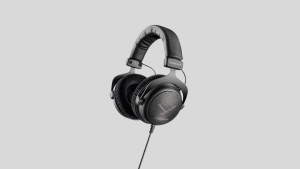
The Beyerdynamic TYGR 300 R is designed for gamers, offering sound tuning that balances fun bass with clear mids and highs.
The open-back design creates a wide soundstage that supports awareness without losing clarity. Soft velour ear pads keep comfort high during extended gaming sessions.
Bass has more impact than other Beyerdynamic open models, adding energy to gameplay. The detachable cable also makes storage and transport easier.
10. HiFiMan HE400se
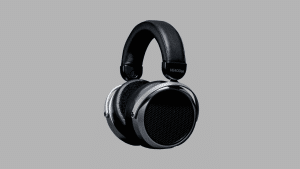
The HiFiMan HE400se uses planar magnetic drivers to deliver clean and detailed sound with strong separation across all frequencies.
Audio feels well-layered, which helps with gaming awareness and immersion. Despite the planar driver design, the headset remains lightweight and comfortable.
The wide soundstage supports accurate positioning of in-game sounds. These headphones benefit from an amplifier, which helps bring out better control, clarity, and overall performance from the drivers.
11. Audio-Technica ATH-R70x
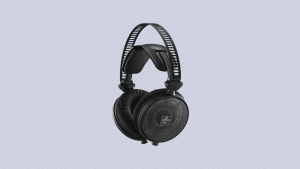
The Audio-Technica ATH-R70x represents the brand’s reference-style open-back design, offering neutral and transparent sound for accurate playback.
Lightweight materials help reduce fatigue during long gaming or work sessions. The winged headband spreads pressure evenly without the need for manual adjustment.
Build quality feels professional and durable. Strong detail and clarity make these headphones suitable for serious gaming, content creation, and general audio use.
Open-Back Gaming Headset Comparison
This table compares popular open-back gaming headset options based on price, comfort, sound tuning, and microphone support to help narrow down the right choice.
| Headset | Price Range | Comfort | Sound Profile | Microphone |
|---|---|---|---|---|
| Sennheiser HD 560S | $150 to $200 | Light, breathable pads | Neutral, detailed, wide stage | No mic |
| Philips SHP9500 | $70 to $90 | Soft, cool for long use | Clear mids/highs, light bass | No mic (BoomPro ready) |
| Audio-Technica ATH-AD700X | $120 to $150 | Very light, loose fit for some | Great positioning, low bass | No mic |
| Beyerdynamic DT 990 Pro | $140 to $180 | Thick pads, comfy build | V-shaped, bright, punchy | No mic |
| EPOS H6PRO Open | $130 to $160 | Good clamp, comfy pads | Balanced, roomy sound | Detachable mic |
| Sennheiser Game One | $130 to $170 | Soft, all-day comfort | Balanced, clear for chat | Flip-to-mute mic |
Tips for Choosing the Right Headset
Open-back headsets can sound amazing for gaming, but the right pick depends on your room, comfort needs, and how you plan to use them.
- Room noise matters: Open-back headphones leak sound and let noise in, so they work best in quiet spaces.
- Comfort comes first: Lightweight builds and soft pads feel better during long matches and late-night sessions.
- Focus on positioning: Strong imaging helps you track footsteps, reloads, and movement direction more clearly.
- Bass is not the main thing: Open-back sound feels airy and natural, not heavy or thumpy like closed-back models.
- Mic setup is a factor: Many options need a separate mic, so plan that before you buy.
Real User Opinions on Open-Back Gaming Headset Choices
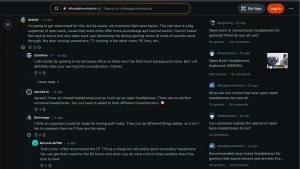
Several Reddit users agree that the HD560S and DT900 Pro X remain strong picks, especially when price matters.
Many users point out that the HD560S is hard to beat when bought refurbished, second-hand, or during sales, making it a popular open-back gaming headset for value-focused buyers.
Some users recommend stepping up to models like the Philips Fidelio X2HR, ATH-R70x, AKG K712 Pro, or Hifiman Edition XS for different sound preferences.
One standout mention is the Sennheiser HD490 Pro, which some gamers describe as a clear upgrade over the HD560S, offering better comfort and refined sound.
Budget users also praise the Superlux HD681 with velour pads, noting strong imaging and easy drivability despite slightly sharp treble that can be adjusted.
Who Should Buy an Open-Back Gaming Headset?
Open-back headsets work best for gamers who value sound awareness and comfort over noise isolation.
Competitive gamers often benefit the most because wide sound separation makes it easier to track footsteps, reloads, and movement during matches.
Casual gamers who play story-driven or open-world games may enjoy the natural sound and reduced ear pressure during long sessions.
Streamers and content creators also prefer this style since it helps keep voices clear and prevents ear fatigue while monitoring audio.
However, these headsets are not ideal for everyone. Players who game in noisy rooms or shared spaces may struggle with sound leakage.
Anyone who needs strong noise blocking or privacy should consider closed-back options instead.
Conclusion
An open-back gaming headset offers a different way to experience game audio with wider sound and long-term comfort.
This guide covered how open-back designs work, what makes them different, and which features matter before buying.
It also compared popular models, highlighted who benefits most, and shared real user opinions to show what works in real setups.
These headsets suit players who want better sound awareness, natural audio, and less ear pressure during long sessions.
Still, the right choice depends on where and how games are played. Quiet rooms and solo setups work best for open-back designs, while noisy spaces may need other options.
Which open-back headset sounds like the right fit for your setup? Share your thoughts or questions in the comments below.