Why do some companies stay relevant for decades while others fade as trends change? I often think about this when looking at industries built on long-lasting products rather than quick sales.
The consumer durables space covers items people rely on for years, from appliances and electronics to vehicles and furniture.
When investing or researching this sector, company strength matters more than short-term hype.
Knowing what companies are in the consumer durables field helps clarify who leads the market and why their products continue to sell.
I find it useful to look beyond brand names and focus on durability, global reach, and innovation habits.
As you read on, consider which businesses feel stable, which adapt well to change, and how their product lifecycles align with long-term value for future decisions ahead.
What are Consumer Durables?
Consumer durables are physical goods designed for long-term use rather than quick consumption. These products typically last several years and are purchased infrequently compared to everyday items.
Common examples include appliances like refrigerators and washing machines, electronics such as televisions and laptops, furniture, vehicles, and home equipment.
Consumer durables usually involve higher upfront costs, but their value comes from repeated use over time.
In economic terms, consumer durables help indicate consumer confidence, since people tend to buy them when they feel financially secure.
Demand for these goods is influenced by income levels, interest rates, warranties, and technological changes.
Because they are long-lasting, consumer durables play an important role in household comfort, productivity, and modern living standards across many industries, worldwide markets, and retail sectors today.
What Companies Are in the Consumer Durables Field? Top List
The companies listed below lead the consumer durables market by producing long-lasting products that support daily life, homes, transportation, and personal use.
1. Whirlpool Corporation

The company is widely known for making kitchen and laundry appliances. Its product lineup includes refrigerators, washing machines, dryers, ovens, dishwashers, and microwaves.
Many of these products are designed for both home and commercial use, serving households across different price ranges.
A strong focus on innovation shapes product development, with smart features and improved performance becoming more common.
2. General Electric (GE Appliances)

The brand works within the large home appliance industry, producing items such as refrigerators, ranges, washers, dryers, and air conditioners.
Its appliances are often used in residential spaces, workplaces, and rental units, with attention given to reliable operation and everyday practicality.
Modern features are built into select models, including connected controls and efficient energy use.
Production guidelines are set to ensure product strength while following required safety and compliance rules.
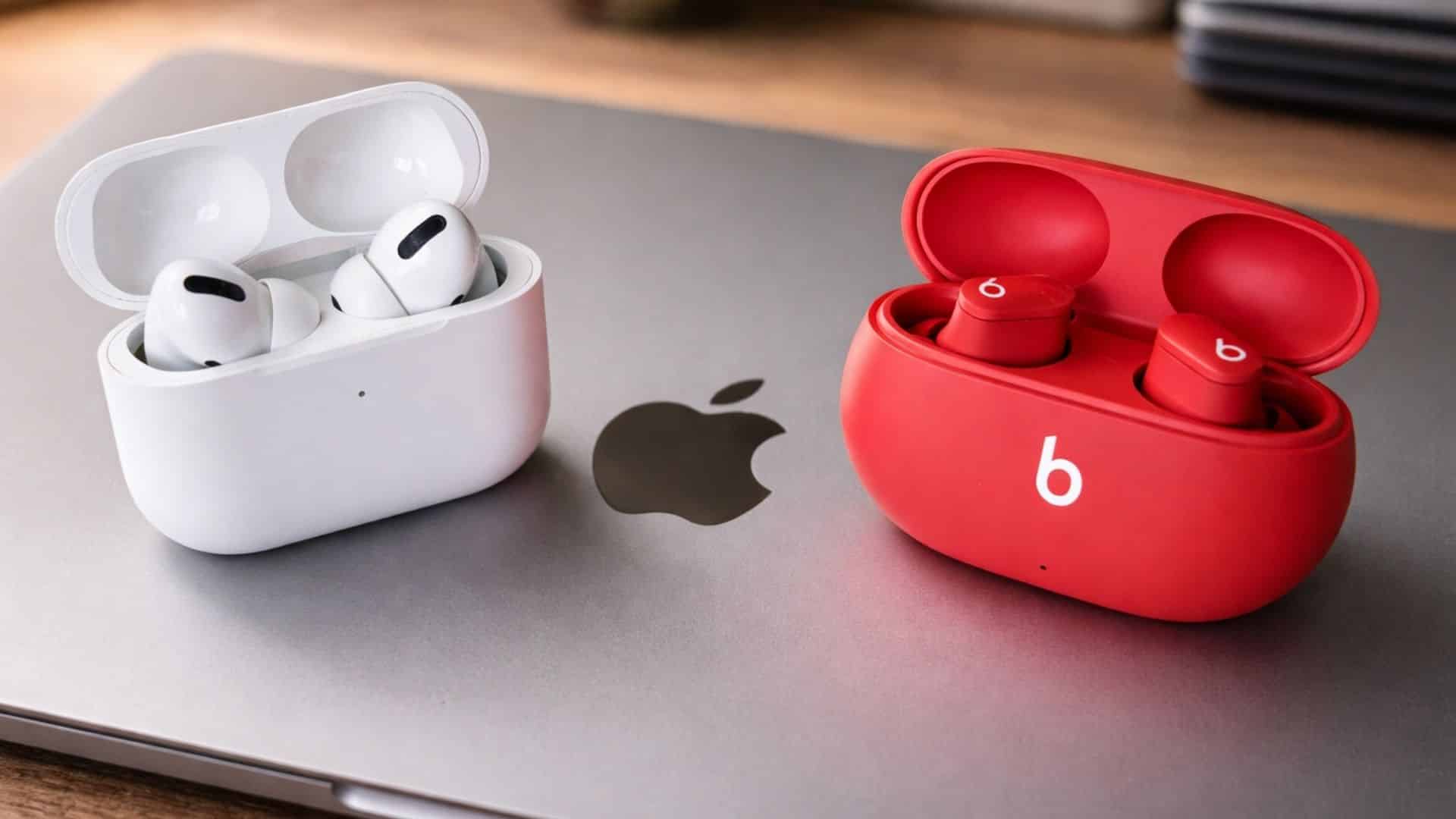
3. Apple Inc.

Produces consumer electronics designed for long-term use, including smartphones, laptops, tablets, and wearables.
Products are known for solid build quality, integrated software, and extended usability through regular updates.
The focus is on design consistency, performance, and ecosystem compatibility.
Devices often remain functional for several years, fitting the definition of consumer durables.
4. Samsung Electronics

This global company manufactures a wide range of durable consumer goods, including televisions, smartphones, appliances, and home electronics.
Products are designed for extended use with a focus on performance and innovation.
Home appliances such as refrigerators and washing machines are built to handle frequent use over many years.
The company invests heavily in display technology, semiconductors, and smart home integration. Manufacturing operations support large-scale production for global markets.
5. LG Electronics

A broad range of consumer durables is available, covering home appliances, televisions, audio systems, and mobile devices.
Product design focuses on long-term use, energy savings, and a clean, modern look. Air conditioners, washing machines, and refrigerators are commonly used in residential settings.
Innovation remains a priority, with smart technology and improved materials shaping newer models. Quality checks and performance testing help support durability over time.

It is known for durable electronics, including televisions, audio systems, gaming consoles, and cameras. Products are designed to support long-term performance and regular use.
The company places strong emphasis on sound quality, display technology, and hardware reliability.
Entertainment devices often remain relevant for years through software updates and accessories.
Manufacturing standards focus on precision and quality materials. Global brand recognition supports steady demand across regions.
7. Ford Motor Company

Operations are centered in the automotive industry, with vehicles built for extended ownership and frequent use.
The lineup covers cars, trucks, SUVs, and commercial models, with design priorities placed on safety, durability, and driving performance.
Production methods emphasize structural strength, reliability, and compliance with industry regulations. With regular upkeep, these vehicles are commonly used for many years.
8. General Motors

Vehicle production spans both personal and commercial use, positioning the brand within the consumer durables space.
The range includes cars, trucks, SUVs, and electric models, all built to handle daily driving and different road conditions. Engineering priorities include safety, durability, and efficient fuel use.
Ongoing investment supports electric and autonomous vehicle development, while manufacturing and assembly systems are structured for worldwide distribution.
9. Tesla, Inc.

Electric vehicles are developed with an emphasis on long service life and high performance. Design priorities include battery systems, software integration, and strong vehicle structures.
Ongoing software updates help keep features current and improve usability over time. Production methods focus on efficiency and forward-looking technology.
Ownership is supported through charging solutions and related energy products. Safety systems and driving technology remain central to overall design, helping vehicles maintain value through extended use.
10. Deere & Company

Durable machinery is produced for use in agriculture, construction, and landscaping environments. The lineup includes tractors, harvesters, and heavy equipment designed for extended operation.
Design standards address tough working conditions and repeated use, with an emphasis on strength, steady performance, and dependability.
With regular maintenance, this equipment often stays in service for many years. Built-in technology helps improve efficiency and monitoring, while a worldwide dealer network supports parts access and servicing.
11. Harley-Davidson

Motorcycles are built for extended ownership and regular riding, with a reputation for solid construction and long-lasting components.
Production standards highlight performance, rider safety, and mechanical dependability. A full range of accessories, replacement parts, and service options supports ongoing use.
Strong brand loyalty helps maintain long service lives and resale value. Ongoing engineering updates improve comfort and efficiency, while global distribution reaches riders worldwide.
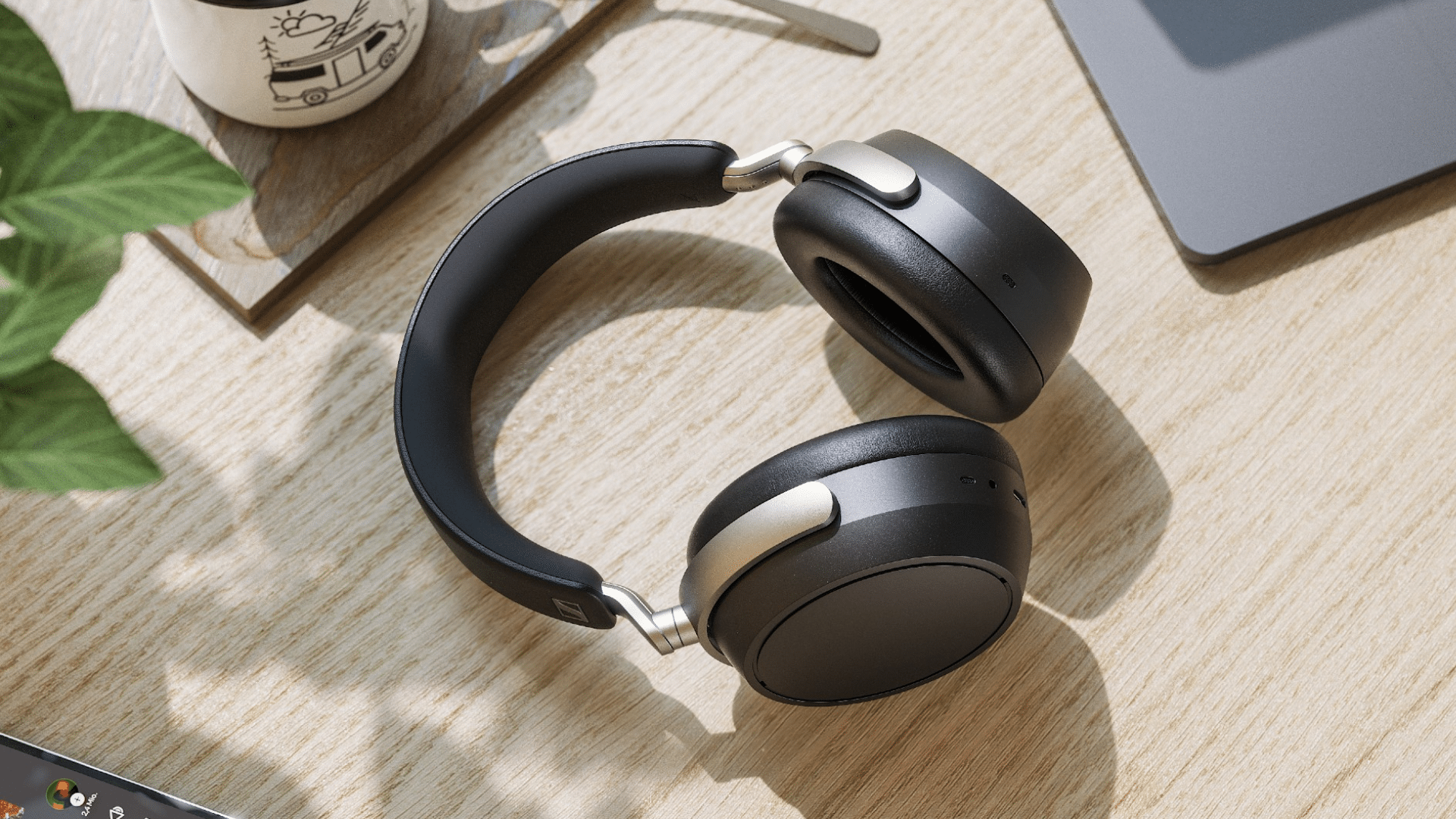
12. Bose Corporation

Audio equipment production covers speakers, headphones, and complete sound systems built for steady performance and long-term use.
Design choices prioritize durable materials and clear sound output, making many products suitable for daily use in homes, offices, and vehicles.
Ongoing research helps improve noise control and sound clarity. A global distribution network supports wide availability, while consistent reliability helps maintain customer confidence.
13. KitchenAid

The company specializes in kitchen appliances built for long-term home use. Products include stand mixers, ovens, refrigerators, and cookware.
Durability and performance are key features across product lines. Appliances are commonly used in both residential and professional kitchens.
Manufacturing standards support consistent quality and reliability. Design balances function with classic styling. A strong reputation supports repeat purchases.
14. Black & Decker

Power tools, home improvement equipment, and small appliances are produced for regular use in homes and workspaces.
Product development is guided by durability and safety, with tools commonly used for repairs, maintenance, and DIY projects.
Manufacturing processes focus on reliability and user-friendly design. Worldwide distribution ensures broad access, while ongoing updates reflect changing consumer needs.
15. Stanley

Tools, storage solutions, and drinkware are produced with a focus on long service life. Designs are made to handle heavy use in work environments and outdoor conditions.
Strong materials and dependable construction remain key priorities, with many products used daily across different industries. Production standards emphasize performance and safety.
A global presence supports a broad customer base, while consistent reliability strengthens brand recognition. Long-lasting designs play a meaningful role in the consumer durables market.
16. Herman Miller

Produces office furniture designed for long-term use. Products include chairs, desks, and workspace solutions. Ergonomics and durability are central to product design.
Furniture is commonly used in offices, schools, and homes. Manufacturing emphasizes the use of high-quality materials and structural strength.
Designs support comfort and productivity over time. Global distribution serves commercial and residential markets. The company is widely recognized in the durable furniture sector.
17. Steelcase

Focuses on office furniture and workplace solutions. Products are built for extended daily use in professional environments.
Durability and ergonomic support guide design decisions. Manufacturing standards ensure strength and long service life.
Furniture is used across offices, schools, and institutions. Innovation supports changing work styles. Global operations support distribution and service.
18. GoPro

Durable action cameras are developed for outdoor and active environments, with designs that handle rough conditions and frequent handling.
Construction choices focus on impact resistance and weather protection, making these cameras suitable for sports, travel, and professional recording.
Ongoing software updates help extend usability over time. Worldwide sales strengthen brand visibility, while reliable performance supports long-term use within the durable consumer electronics space.
19. Polaris Inc.

Off-road vehicles, motorcycles, and recreational equipment are produced for tough conditions and extended ownership.
Design and engineering place emphasis on performance, rider safety, and long-lasting construction. These vehicles are often used in outdoor and work-focused settings, with production standards supporting strength and reliability.
International distribution covers multiple markets, while service networks help keep products in use for years. A solid reputation supports its position in the durable recreational vehicle segment.
Risk Factors When Investing in the Consumer Durables Field
Economic sensitivity, changing demand patterns, and long product cycles can affect profitability, stability, and long-term returns for investors.
- Economic downturns: Consumer durables purchases often decline during recessions, as buyers delay high-cost items, directly reducing sales volumes and revenue stability.
- Interest rate changes: Higher interest rates increase financing costs for consumers, making big-ticket durable goods less affordable and slowing overall market demand.
- Supply chain disruptions: Delays in raw materials, shipping issues, or manufacturing constraints can raise costs, limit production, and negatively impact delivery timelines.
- Rapid technological change: Fast innovation can shorten product relevance, forcing companies to invest heavily in updates, research, and inventory adjustments.
- Intense competition: Strong competition from domestic and global brands can pressure pricing, reduce profit margins, and increase marketing and operational costs.
Conclusion
Now you know how the consumer durables sector works and why certain brands maintain strong positions over time.
I see this field as one shaped by long product cycles, steady demand, and shifting market pressures.
Knowing which companies are in the consumer durables field makes it easier to assess stability, growth potential, and long-term relevance.
This understanding helps frame smarter research, not rushed decisions. As markets change, companies that adapt without losing reliability tend to stand out.
Let’s reflect on which names feel strong and which depend too heavily on trends. Use this knowledge as a starting point, not an endpoint, when reviewing opportunities.
Ready to take the next step? Share thoughts in comments and keep the conversation going.