Want to turn your regular TV into a powerful streaming hub without buying an expensive smart TV?
Google Chromecast makes it happen, letting you stream content from your phone, tablet, or computer directly to the big screen.
The device works with popular apps like Netflix, YouTube, and Spotify, making it easy to enjoy your favorite entertainment on a bigger display.
This blog explains how to use Google Chromecast effectively, from initial setup to casting content from different devices.
You’ll learn the initial setup process, how to cast from different devices, and solutions to common connection problems.
By the end, you’ll be streaming shows, movies, and videos effortlessly while making your TV smarter and more versatile.
What is Google Chromecast, and How Does It Work?
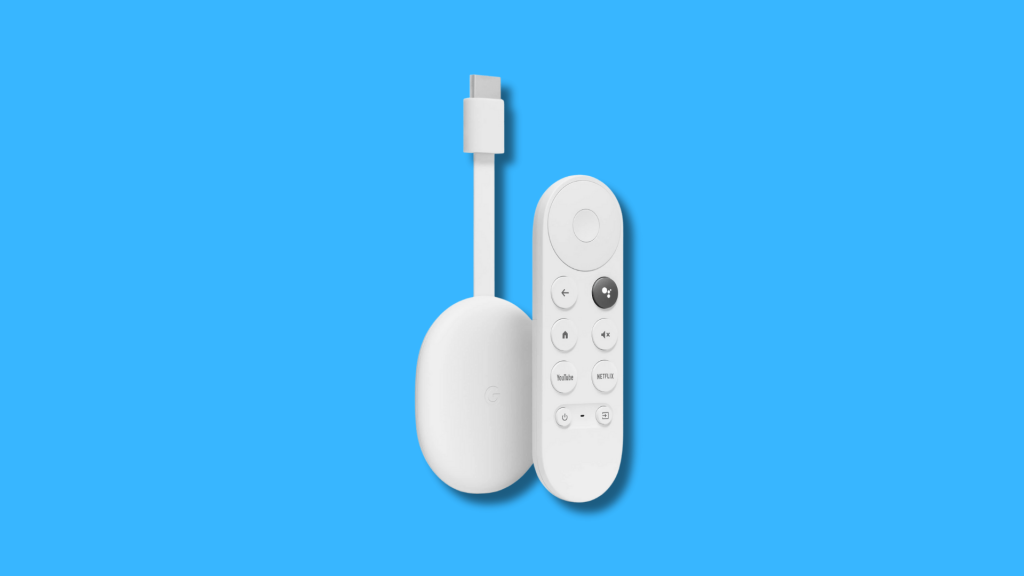
Google Chromecast is a streaming device that plugs into your TV’s HDMI port and connects to your Wi-Fi network.
Whether you have a standard Chromecast or Chromecast with Google TV, it receives streaming signals from your phone, tablet, or computer and displays content on your television screen.
The device connects to the same Wi-Fi network as the casting device.
This allows streaming through compatible apps like Netflix, YouTube, and Spotify, or casting directly from the Chrome browser
The process is completely wireless and cable-free, offering convenient streaming control from any compatible device in your home.
How to Use Chromecast on Different Devices?
Casting content is straightforward once you understand the basic process across different devices. The key is ensuring everything connects to the same Wi-Fi network for smooth streaming.
1. How to Use Google Chromecast on TV
Setting up the device on your TV requires connecting it to an HDMI port and powering it up. The entire process takes less than three minutes and displays visual confirmations on screen.
Turn on your television, plug the device into an HDMI port, and connect the power adapter.
- Wait about 10 seconds for the LED light to turn white, indicating it’s powered up and ready
- Your TV screen will display a setup message prompting you to download the Google Home app
- Download the Google Home app on your smartphone if you don’t have it already
- Open the app and allow it to detect your device on the same Wi-Fi network
- Follow the on-screen instructions that appear on both your TV and phone
- Confirm the pairing code that appears on both screens to verify the connection
Once the app detects your device and completes pairing, you can start streaming content immediately to your television.
Here’s a visual demonstration of how to connect and set up Chromecast on your TV by Smart Devices Channel
2. How to Use Google Chromecast on Phone
Casting from your phone is simple and works with both Android and iPhone devices. Most popular streaming apps have built-in casting features that connect directly to your TV.
Open any supported app like YouTube, Netflix, or Spotify on your smartphone.
- Look for the Cast icon, which appears as a rectangle with Wi-Fi waves in the corner
- Tap the icon, and a list of available devices will appear on your screen
- Select your device from the list, and the content will begin streaming to your TV immediately
- Continue using your phone for other tasks while content plays on the television
- To stop casting, tap the Cast icon again and select “Stop casting” from the menu
The casting process is seamless and allows you to control playback, volume, and content selection directly from your mobile device.
3. How to Use Google Chromecast on a Laptop
Setting up casting from your laptop requires the Google Chrome browser and a stable internet connection. You can mirror your entire screen or cast specific tabs directly to your television.
Open the Google Chrome browser on your computer and ensure you’re running the latest version.
- Click the three-dot menu icon in the top right corner of the browser window
- Select “Cast” from the dropdown menu, and a small window will appear showing available devices
- Choose your device from the list that appears on screen
- Select what you want to cast, either a specific tab, your entire desktop, or a file
- The content will begin displaying on your TV within seconds
- Adjust volume and playback controls from your laptop while viewing on the larger screen
Once the connection is established, you can browse other tabs or continue working on your computer while content streams to your television.
Here’s a visual demonstration of how to connect and set up Chromecast on your laptop by TekNixHaX
How to Use Chromecast with Google TV?
Chromecast with Google TV provides an enhanced streaming experience.
Unlike the regular Chromecast, it comes with its own remote and built-in interface, so you don’t need a phone to cast content.
To set it up, plug the device into your TV’s HDMI port and connect it to power. Use the remote to follow the on-screen instructions, sign in with your Google account, and connect to Wi-Fi.
Once set up, you can browse and install apps directly from the Google TV interface. Use the remote to navigate, select content, and even search via voice commands.
It offers access to popular streaming services like Netflix, YouTube, and Prime Video, allowing you to enjoy your favorite content seamlessly.
The integration of Google Assistant makes it easier to control playback without touching the remote.
Chromecast Setup and Connection Issues
Even with a straightforward setup, you might face some technical challenges when using the device. Most problems have simple solutions that don’t require technical expertise to fix.
Users commonly encounter issues during initial setup or while streaming content. These include:
- Device not appearing on phone or laptop
- Wi-Fi connection failures or weak signal
- Audio or video playback problems
- App compatibility limitations
Most connection problems occur when devices aren’t on the same Wi-Fi network or when the signal strength is weak.
Restarting both the streaming device and your router often resolves these issues, and for playback problems, check for app updates or verify your internet bandwidth meets streaming requirements.
Tips for Better Chromecast Performance
Optimizing your Chromecast setup ensures smooth, high-quality streaming without interruptions or buffering. Simple maintenance habits can significantly improve your viewing experience.
- Keep Chromecast and apps updated: Regular software updates fix bugs and improve compatibility with new streaming services
- Use a stable Wi-Fi connection: A strong, consistent internet connection prevents buffering and maintains video quality
- Avoid using congested networks: Reduce the number of devices streaming simultaneously on your network during peak usage times
- Place Chromecast closer to the router: Physical proximity to your Wi-Fi router improves signal strength and reduces connection drops
- Restart your device periodically: Rebooting the streaming device every few weeks clears temporary issues and refreshes the connection
- Use the 5GHz Wi-Fi band: If your router supports dual-band, connect to 5GHz for faster speeds and less interference
- Close unused apps on casting devices: Free up memory and processing power by closing background apps on your phone or laptop
Conclusion
Google Chromecast makes it simple to stream content from phones, laptops, and browsers to a television when the setup is done correctly.
From initial connection to daily casting, understanding the basics helps avoid common interruptions and connection errors.
Once configured on the same Wi-Fi network, supported apps and the Chrome browser can send video, music, and tabs directly to the screen.
Learning how to use Google Chromecast also helps with switching devices, controlling playback, and resolving routine issues without resetting the device.
Stable internet, updated apps, and correct input selection often make the biggest difference.
Still facing a specific setup or casting problem?
Add a clear question or solution in the comments so others can benefit from your experience.
Frequently Asked Questions
Does Chromecast Work with Any Phone?
Chromecast works with most Android phones and iPhones that support casting through compatible apps and stable Wi-Fi connections.
Is there a Monthly Fee for Chromecast?
There is no monthly fee for Chromecast, but streaming apps may require paid subscriptions for access to content.
What Has Replaced Google Chromecast?
Google TV Streamer and smart TVs with built-in casting features now offer similar functionality to Chromecast devices.